



Over the course of four years, Xiamen has transformed low-value recyclables from materials destined for incineration into valuable resources, creating a commercially viable and highly replicable recycling model. Recognized as the No. 1 of China's Six Major Recycling Models in a report by Tsinghua University, officially named the "Xiamen Model" by the National Development and Reform Commission (NDRC), and showcased at the United Nations General Assembly, the model has become a benchmark for sustainable resource utilization.
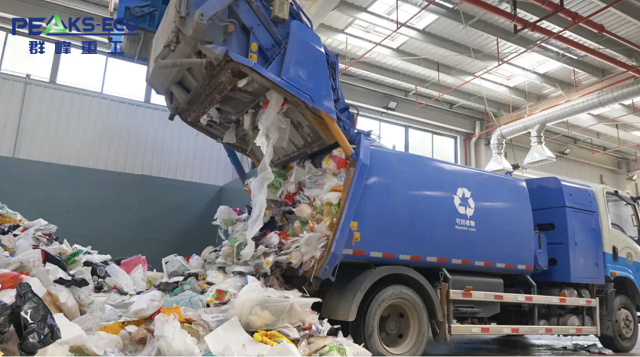
China generates approximately 140 million tonnes of low-value recyclable waste every year, including takeaway food containers, courier packaging films, beverage cartons, and similar materials. Due to fragmented collection systems, labor-intensive sorting, high processing costs, and limited recycling value, the vast majority of these materials end up being incinerated instead of recycled.
The project is operated by Xiamen Urban Construction Luhai Environmental Technology Co., Ltd., a partnership combining state-owned capital with private-sector operations.
Land Resources: The municipal government allocated sanitation parking land and incorporated the facility into the city's sanitation infrastructure planning.
Investment Model: The state-owned enterprise provides capital investment, while the private partner contributes technology and operational expertise.
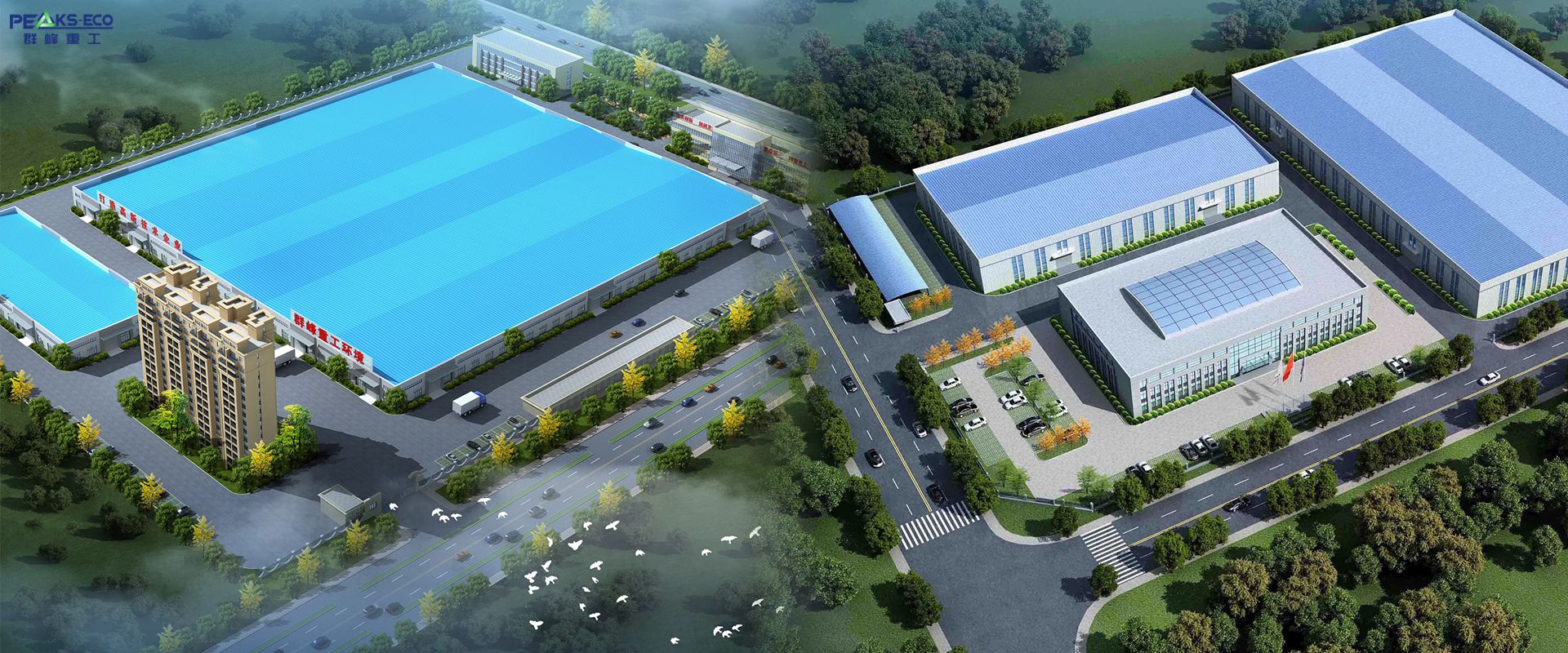
Facility Scale: Covering 8.42 mu (approximately 5,600 m²), the facility is designed to process 5 tonnes per hour, with an annual treatment capacity of 30,000 tonnes.
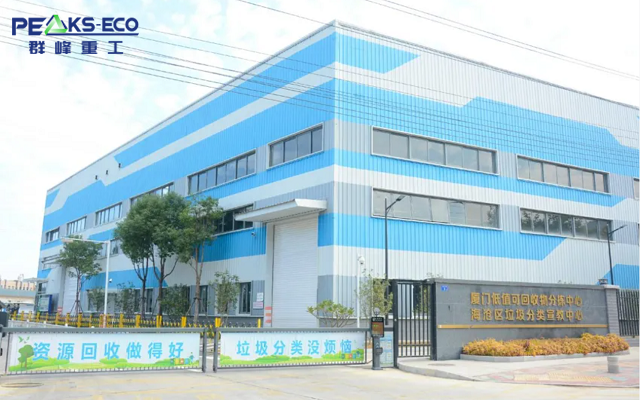
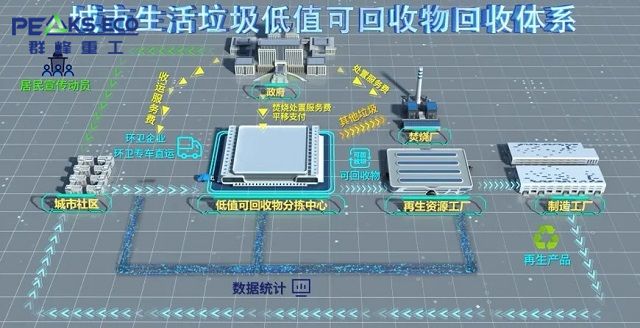
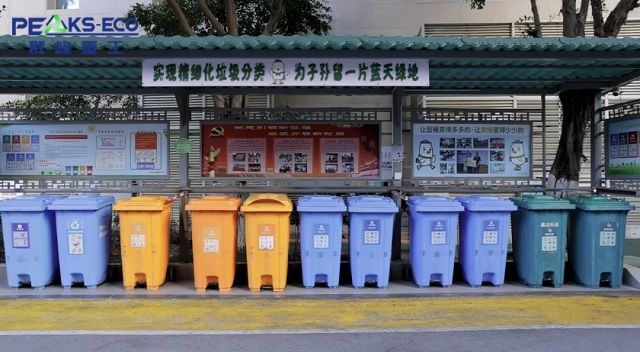
Low-value recyclables are collected through dedicated blue recycling bins. A three-tier supervision mechanism—supported by property management performance assessments, Party-member volunteers, and community engagement—ensures effective participation. The environmental education center has welcomed more than 10,000 visitors over the past four years, continuously strengthening public awareness and recycling habits.
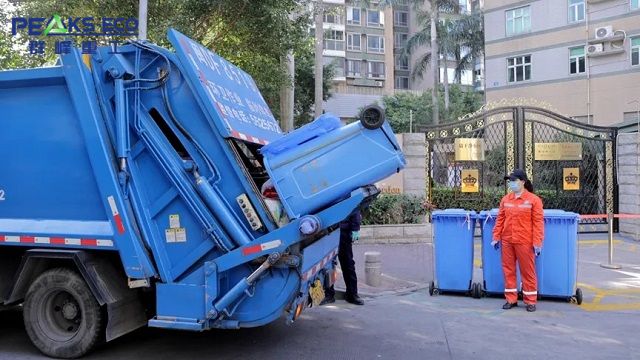
Collected materials are transported directly to the sorting facility via 39 specialized collection vehicles operating across 47 fixed routes, managed with a bus-style scheduling system. Transportation subsidies of RMB 180–270 per tonne, slightly above conventional waste transport standards, help maintain a stable and efficient collection network.
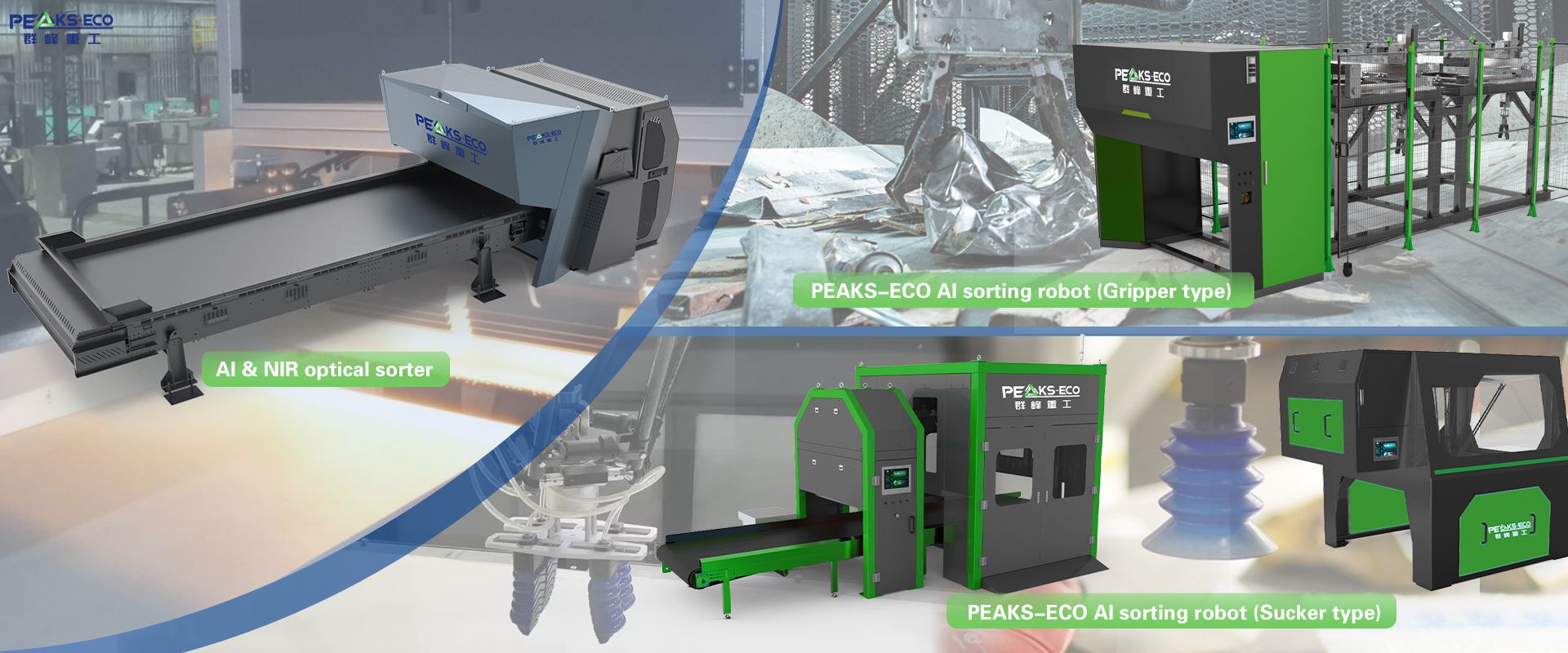
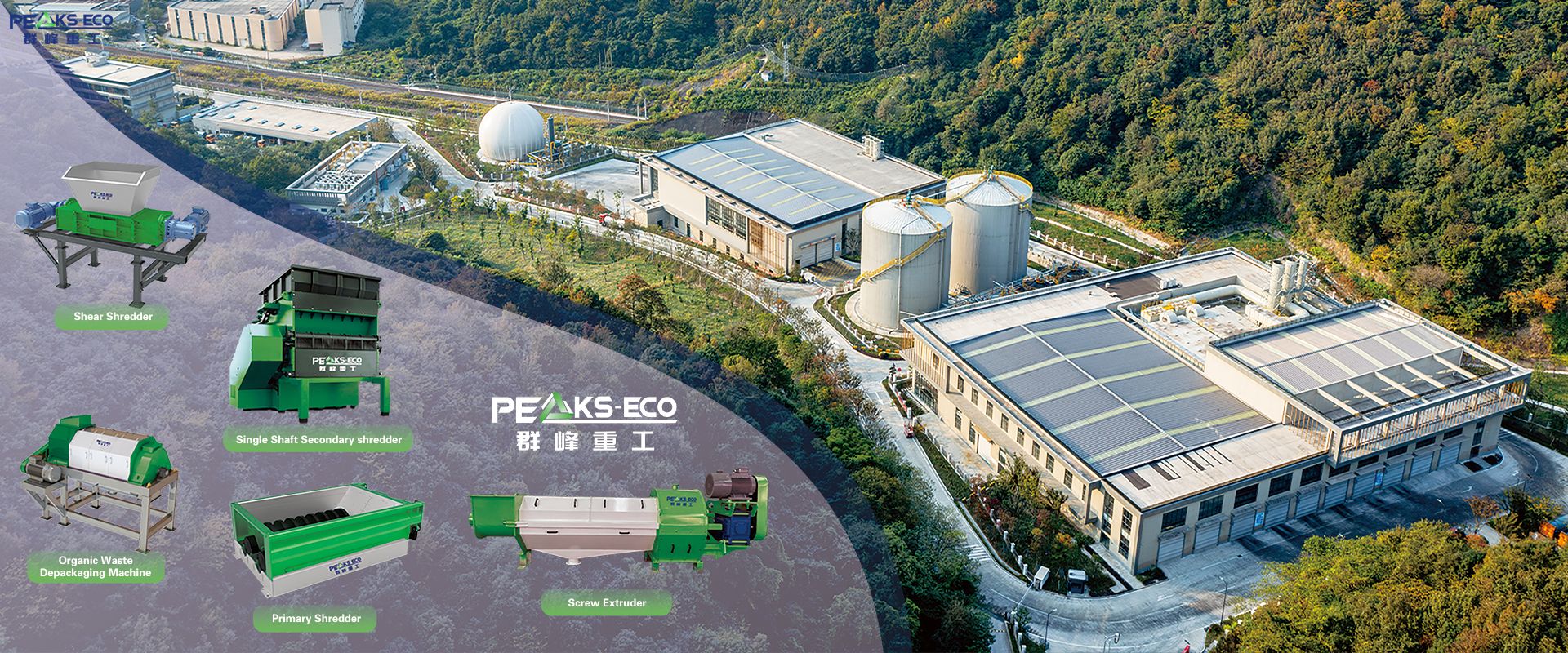
The terminal processing system at the Xiamen Sorting Center represents the deep integration of advanced process engineering and equipment manufacturing. Building upon Luhai Environmental's AI vision and near-infrared (NIR) identification technologies, PEAKS-ECO provides the complete recycling sorting system and core equipment that powers the facility.
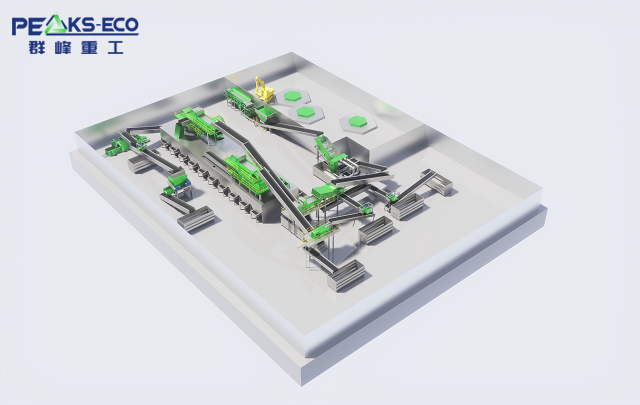
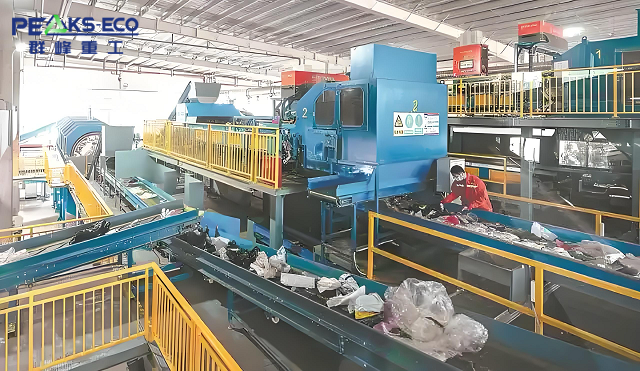
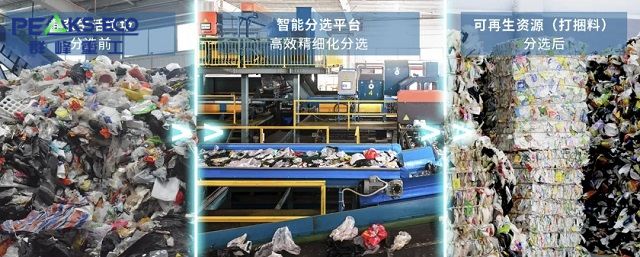
For pre-classified recyclable materials—including paper, plastics, and metal cans—the system employs a proven process flow consisting of bag opening and feeding, vibrating screening, ballistic separation, magnetic separation, multi-stage optical sorting, and baling.
As materials move through the system, magnetic separators and eddy current separators first recover ferrous and non-ferrous metals. The air separation unit then separates paper, rigid plastics, and plastic films, while optical sorting modules accurately identify and separate high-value fractions such as colored glass.
Further enhancing the process, PEAKS-ECO's proprietary AI Intelligent Air Sorter and robotic negative-pressure suction sorting system combine artificial intelligence algorithms with advanced air-sorting and optical-sorting technologies. Working seamlessly with Luhai Environmental's multimodal recognition platform, the integrated system achieves fine sorting of 16 recyclable categories, delivering a sorting accuracy exceeding 95% while operating at 5–10 times the efficiency of manual sorting.
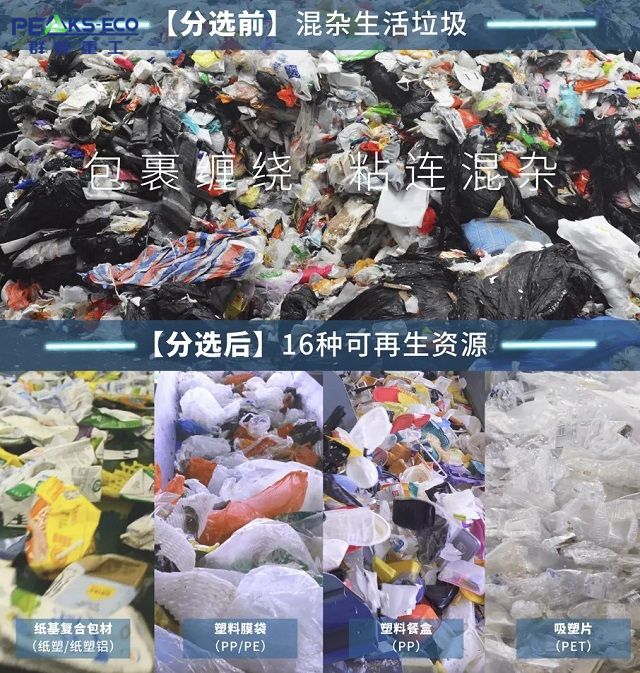
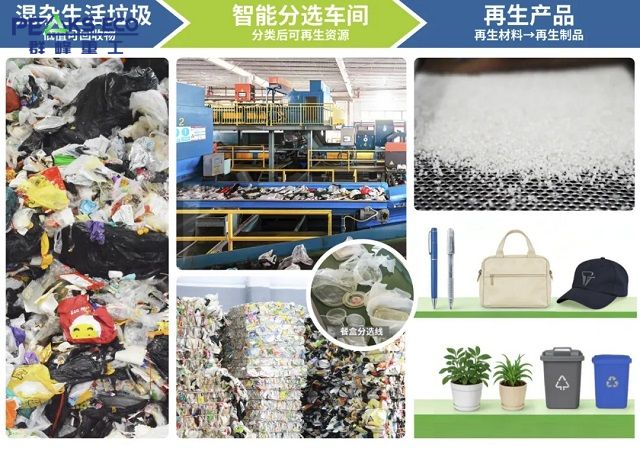
More than 70% of the recovered materials consist of waste plastics. After compression and baling, these plastics are supplied to downstream recycling facilities, where they are transformed into value-added recycled products such as non-woven shopping bags, plastic pallets, and municipal waste bins. Residual materials that cannot be recycled are transported by municipal sanitation companies to waste-to-energy plants for environmentally compliant disposal.
Compared with waste incineration plants of equivalent processing capacity, the investment required for a recycling sorting center is approximately 40% lower. When source separation accuracy exceeds 80% and daily throughput reaches 100 tonnes, revenue generated from selling recovered recyclables alone is sufficient to cover operating costs.
Over the past four years, the facility has achieved impressive results:
61,000 tonnes of low-value recyclables processed
35,000 tonnes of recyclable resources recovered
102,000 tonnes of carbon emissions reduced
66,000 tonnes of crude oil resources conserved
These figures demonstrate that environmental protection and commercial sustainability can be achieved simultaneously.
The second phase of the project will increase annual processing capacity to 100,000 tonnes. Upon reaching full operation, the expanded facility is expected to reduce carbon emissions by 200,000 tonnes annually and has already received financial support from China's central government.
Once completed, the combined recycling capacity will reach 150,000 tonnes per year, with waste plastics alone contributing an estimated 435,000 tonnes of annual carbon emission reductions.
In the environmental sanitation industry, the greatest challenge is not creating one successful project, but successfully replicating it elsewhere.
The scalability of the Luhai Model is precisely why Tsinghua University's report ranked it first among China's six leading recycling models. Its standardized operational procedures, clear business logic, and mature process design enable seamless integration into existing municipal waste classification systems without rebuilding collection, transportation, or downstream recycling infrastructure from scratch.
The model has now entered a stage of large-scale expansion:
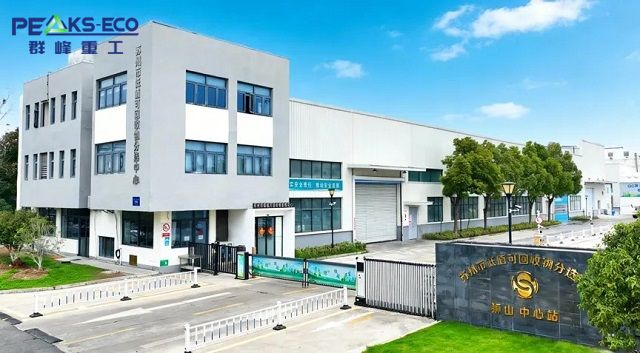
Suzhou Phase I Project (200 tonnes/day) has officially commenced operation.
Additional projects are being planned and developed across the Beijing–Tianjin–Hebei Region, the Yangtze River Delta, and the Greater Bay Area (Pearl River Delta).
The successful deployment in Suzhou sends a strong message: a recycling model originally developed within Xiamen's waste classification system can be directly replicated in another city with a mature recycling framework, eliminating the need to reinvent the entire operational process.
Low-value recyclables are collected separately through a dedicated blue–green–yellow bin system, ensuring these materials are diverted from mixed municipal waste at the very beginning of the recycling chain.
Land allocation is incorporated into municipal sanitation infrastructure planning, while treatment subsidies are benchmarked against waste incineration fees, effectively reducing investment risks during project implementation.
Collection operators receive subsidies of RMB 180–270 per tonne, slightly above standard municipal waste transportation rates. This premium compensates for the higher transportation costs associated with bulky, lightweight, low-value recyclables, making collection economically viable.
Advanced AI-powered optical sorting technologies enable fully automated sorting across 16 recyclable categories, significantly improving efficiency while reducing unit operating costs through economies of scale. With intelligent equipment supplied by PEAKS-ECO and multimodal recognition technologies developed by Luhai Environmental, the system delivers industry-leading sorting accuracy and productivity.
A joint-venture structure combines the strengths of both sectors: state-owned enterprises contribute land, capital, and policy resources, while private enterprises provide advanced technologies and operational expertise. This collaborative model overcomes the long-standing challenge where governments often lack specialized operational capabilities and private companies hesitate to invest without policy support.
The success of the Xiamen Model demonstrates that low-value recyclables need not be treated as waste destined for incineration. Through coordinated policy support, intelligent technology, efficient logistics, and innovative public–private partnerships, materials once regarded as liabilities can become valuable resources—creating measurable environmental benefits while establishing a commercially sustainable circular economy model that can be replicated across China and beyond.