



With the rapid development of urbanization and infrastructure construction, the amount of construction and demolition (C&D) waste generated worldwide continues to increase. Waste materials from building construction, renovation, road maintenance, and demolition projects often contain concrete, bricks, wood, metals, plastics, asphalt, and other mixed materials.
Traditionally, much of this waste has been transported to landfills, resulting in land consumption, environmental pollution, and unnecessary resource loss. However, with the growing demand for sustainable development and circular economy solutions, construction waste recycling has become an increasingly important part of modern waste management.
Construction and Demolition Waste Treatment System provides an efficient solution for sorting, separating, crushing, and recycling mixed construction waste. Through advanced mechanical processing technologies, valuable materials can be recovered and transformed into reusable resources, reducing landfill disposal and supporting more sustainable construction practices.
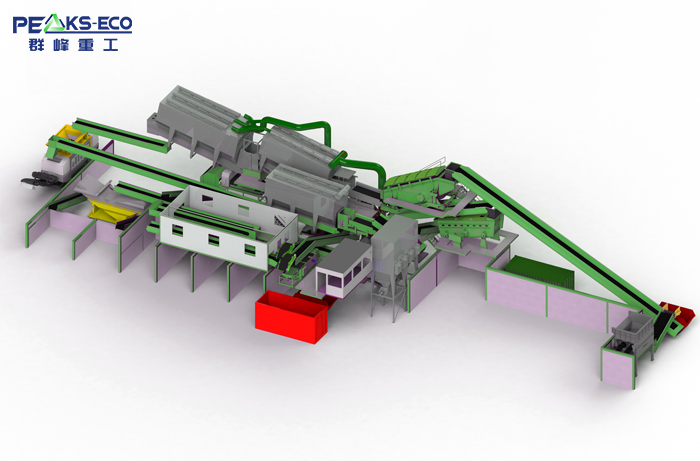
A construction and demolition waste treatment system is an integrated waste processing solution designed to handle various types of solid waste generated during construction, renovation, and demolition activities.
Unlike conventional waste disposal methods, this system focuses on material recovery and resource utilization. It separates recyclable materials from mixed waste through a series of mechanical sorting and processing procedures.
Typical materials processed by a C&D waste recycling system include:
Concrete and bricks: Crushed and processed into recycled aggregates for road construction and other engineering applications.
Wood: Separated for further recycling, reuse, or appropriate energy recovery.
Ferrous metals: Recovered through magnetic separation for metal recycling.
Non-ferrous metals: Separated and collected for specialized recycling processes.
Plastics: Sorted for further recycling or alternative treatment.
Asphalt and masonry: Processed into recycled materials for roadbeds, construction foundations, and other applications.
By separating these different material streams, a construction waste treatment plant can significantly improve resource recovery efficiency and reduce the volume of waste requiring final disposal.
An efficient construction and demolition waste treatment plant generally consists of multiple processing stages. The specific equipment configuration can be customized according to waste composition, processing capacity, site conditions, and the required output quality.
Mixed construction waste is first delivered to the feeding area and transferred into the processing line through feeding equipment and conveyors.
At this stage, oversized materials and obvious contaminants can be manually or mechanically removed to protect downstream equipment and improve overall processing efficiency.
Large construction waste materials, such as concrete blocks, bricks, and demolition debris, may require crushing or shredding before further separation.
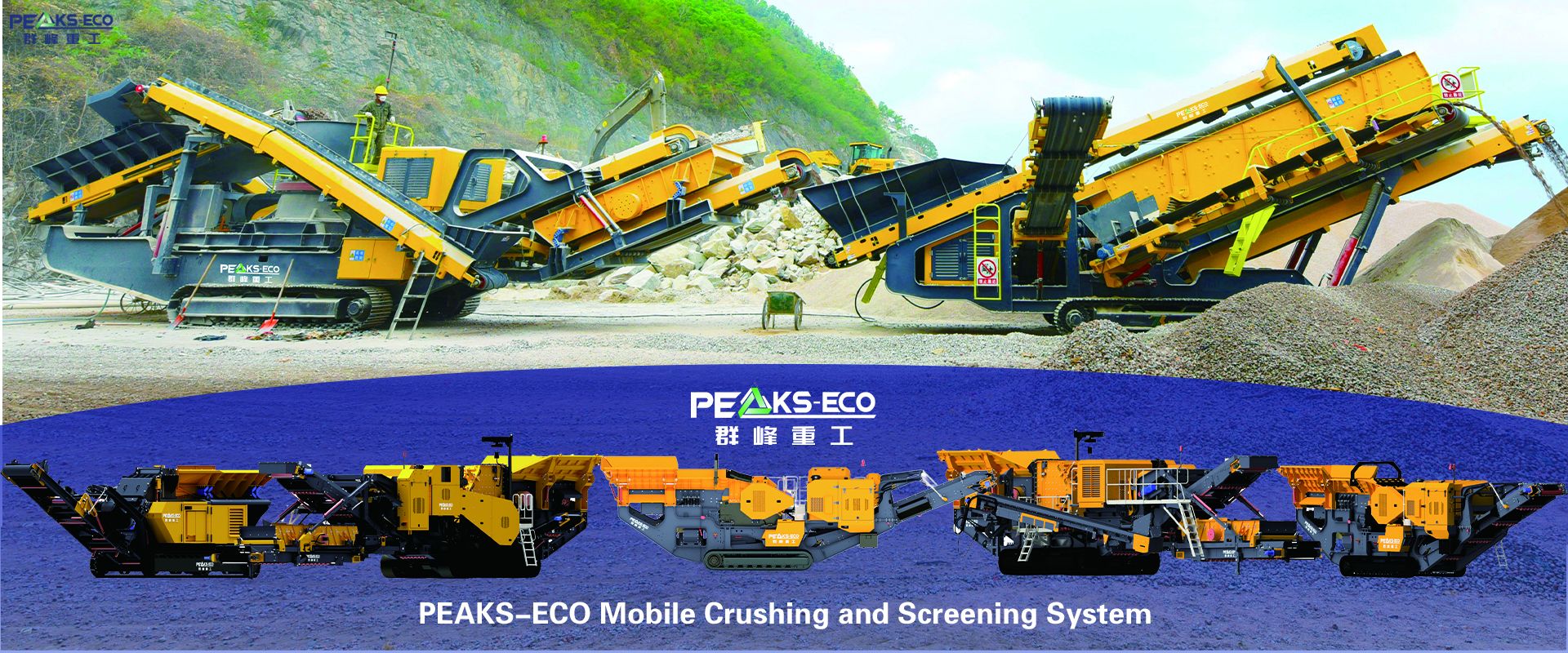
Crushing equipment reduces the particle size of incoming materials, making subsequent screening and sorting operations more efficient. The appropriate crushing solution depends on material hardness, particle size, and processing requirements.
After size reduction, materials are transferred to screening equipment for classification according to particle size.
Vibrating screens or other screening machines separate different size fractions, allowing fine materials, aggregates, and oversized materials to enter their respective processing stages.
This process helps improve the efficiency of subsequent sorting operations while reducing unnecessary material circulation.
Ferrous metals, including iron and steel, are commonly found in construction and demolition waste.
Magnetic separators remove these materials from the waste stream, allowing them to be collected for further metal recycling. This stage also helps protect downstream equipment from unwanted metal objects.
Non-ferrous metals, such as aluminum and copper, can be recovered using suitable separation technologies.
Depending on the characteristics of the incoming waste, additional equipment may be incorporated to separate wood, plastics, lightweight materials, and other recyclable components.
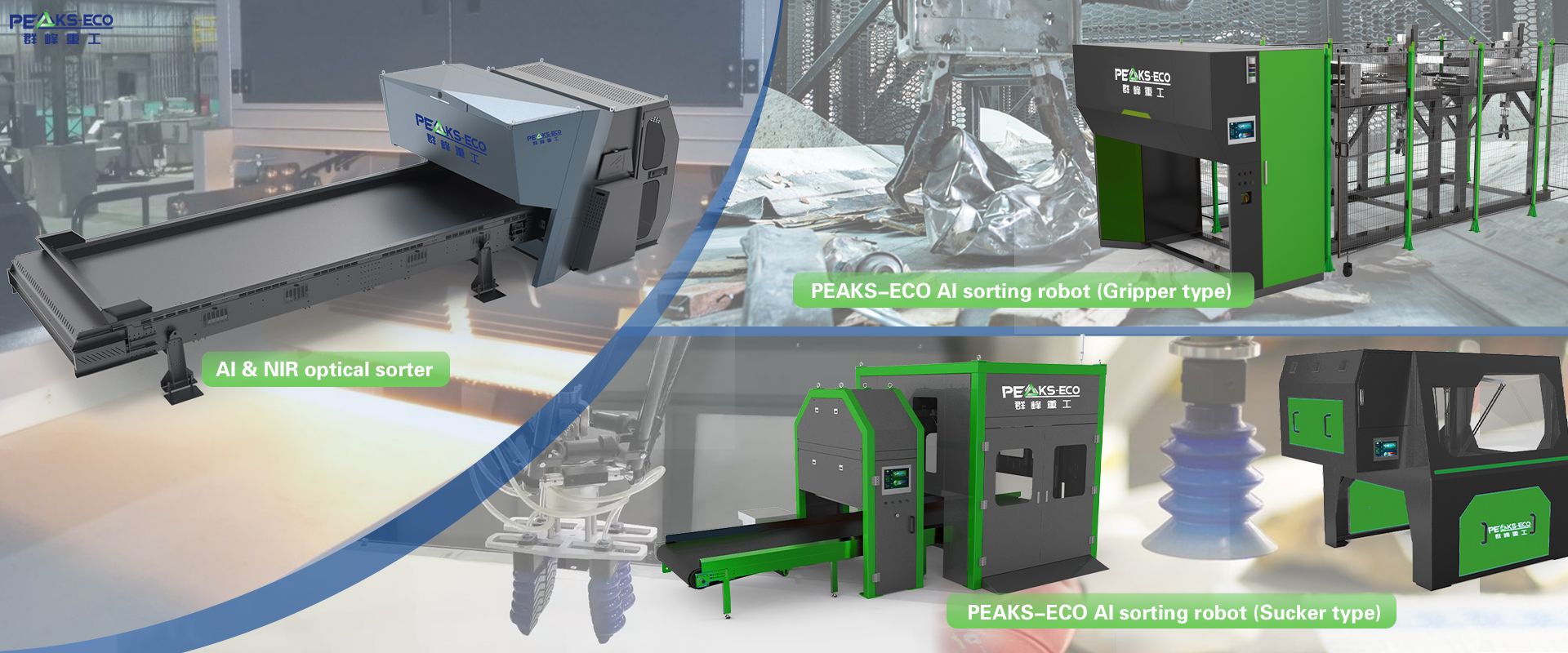
Advanced sorting solutions can improve the purity of recovered materials and increase the overall recycling value of the system.
After sorting and separation, different material streams are collected and transported to designated storage areas.
Recovered metals can be sent to specialized recycling companies, while inert materials such as concrete and bricks can be further processed into recycled aggregates. Other combustible or recyclable fractions can enter appropriate downstream treatment processes.
Investing in a modern construction and demolition waste recycling plant offers several operational and environmental benefits.
An integrated sorting system separates valuable materials from mixed construction waste, including metals, concrete, bricks, and other recyclable components. This helps maximize material recovery and reduce the amount of waste sent to landfills.
By recovering reusable materials and reducing residual waste volumes, construction companies and waste management operators can potentially lower transportation, landfill, and disposal expenses.
Processed concrete, bricks, asphalt, and masonry can be converted into recycled aggregates and other secondary construction materials.
These recovered materials can be used in roadbed construction, foundation filling, civil engineering projects, and other suitable applications, depending on local standards and material quality requirements.
Construction waste recycling helps reduce the demand for natural resources and minimizes the environmental impacts associated with conventional waste disposal.
Recovering and reusing materials also supports lower resource consumption and contributes to the development of a circular economy.
Different construction projects generate different types of waste. A customized treatment system can be designed according to waste composition, processing capacity, available space, and recycling objectives.
This flexibility allows operators to select suitable equipment combinations and achieve more efficient plant operation.
One of the major advantages of construction waste recycling is that recovered materials can be used in various industries.
Recycled Concrete Aggregates
Crushed concrete can be processed into recycled aggregates for road construction, foundation works, drainage applications, and other suitable engineering projects.
Road Base and Subbase Materials
Processed bricks, concrete, and asphalt can be used as alternative materials for roadbed construction and infrastructure development, subject to applicable technical specifications.
Metal Recycling
Recovered steel, iron, aluminum, and other metals can be transported to specialized recycling facilities and reintroduced into industrial production.
New Building Materials
Selected recycled mineral materials can serve as raw materials for certain recycled building products, helping reduce dependence on virgin resources.
Backfilling and Civil Engineering
Suitable inert materials can be reused for filling, leveling, and other civil engineering applications.
Through effective material separation and processing, construction waste can become a valuable secondary resource rather than simply a disposal burden.
Selecting the appropriate construction and demolition waste treatment system is essential for achieving stable operation and good recycling performance.
Before investing in a recycling plant, operators should consider several important factors:
Waste Composition: Analyze the proportions of concrete, bricks, metals, wood, plastics, and other materials in the incoming waste.
Processing Capacity: Determine the required hourly or daily processing capacity according to the actual waste volume.
Equipment Configuration: Select suitable crushing, screening, magnetic separation, and sorting equipment based on the characteristics of the materials.
Output Requirements: Define the required particle size, material purity, and quality standards for recycled products.
Site Conditions: Consider available installation space, transportation access, power supply, and environmental protection requirements.
Operating and Maintenance Costs: Evaluate energy consumption, labor requirements, equipment maintenance, and long-term operating expenses.
A professionally designed system should balance processing efficiency, investment costs, material recovery performance, and long-term operational reliability.
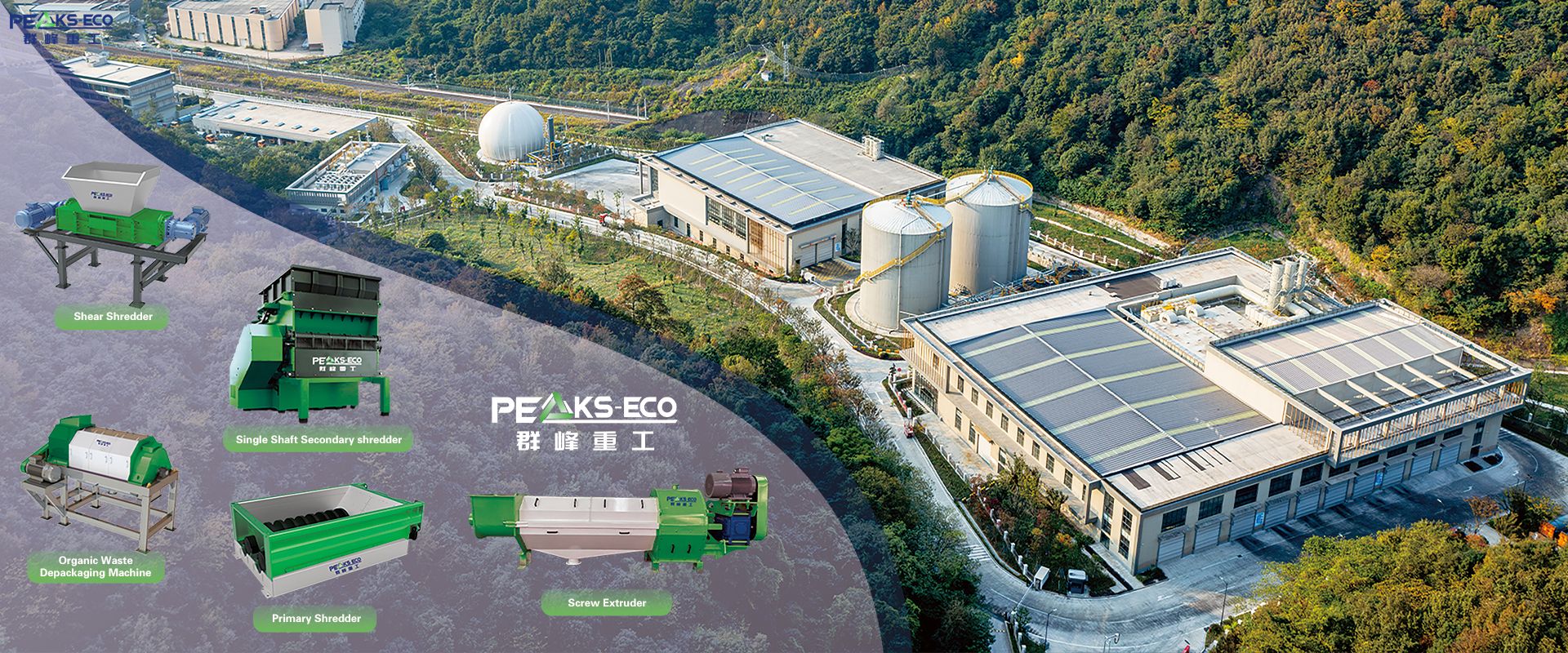
PEAKS-ECO focuses on integrated solid waste treatment and resource recovery solutions, including construction and demolition waste processing systems.
By combining different waste sorting and processing technologies, the company provides solutions for handling mixed construction waste containing concrete, bricks, rubble, metals, wood, plastics, and other materials.
The treatment process focuses on separating recyclable metals, recovering inert materials, and reducing non-recyclable waste. Recovered metals can be transferred to specialized recycling facilities, while suitable mineral materials can be processed into recycled aggregates and other construction-related products.
According to the characteristics of different projects, equipment configurations can be adjusted to meet specific processing requirements and improve overall material recovery efficiency.
For waste management companies, construction contractors, recycling operators, and municipal waste treatment projects, an integrated C&D waste treatment solution can help create greater value from construction and demolition waste.
Construction and demolition waste should not be viewed simply as unwanted materials. With the right treatment technologies and recycling processes, a significant proportion of this waste can be recovered and transformed into valuable secondary resources.
An advanced Construction and Demolition Waste Treatment System integrates crushing, screening, magnetic separation, and material sorting technologies to improve recycling efficiency, reduce landfill disposal, and support sustainable infrastructure development.
As environmental regulations become increasingly important and the demand for recycled construction materials continues to grow, investing in efficient C&D waste recycling technology will play an important role in the future of the construction and waste management industries.