




Scrap Metal Recycling Machine is an important investment for recycling operators handling steel, aluminum, mixed ferrous and non-ferrous metals, end-of-life vehicle materials, appliance scrap, and industrial production waste.
However, not all scrap streams require the same recycling process. A system designed for heavy steel scrap may not be suitable for aluminum-rich material, while an end-of-life vehicle recycling project often needs more separation stages than a standard industrial scrap processing line.
The right recycling solution should be selected based on the incoming material, target recovery value, required output quality, processing capacity, and available plant space.
The first step is to understand the composition of the incoming scrap.
A recycling plant may receive relatively clean scrap steel, mixed aluminum profiles, dismantled vehicle parts, appliance shells, industrial offcuts, or mixed metal waste containing plastics, rubber, textiles, foam, and other contaminants.
Before selecting a Scrap Metal Recycling Machine, operators should identify:
Main material types
Material size and thickness
Ferrous and non-ferrous metal content
Presence of plastic, rubber, glass, foam, or textiles
Moisture and contamination level
Required feed preparation
Expected daily or annual processing volume
This information determines whether the project requires basic shredding and magnetic separation, or a more complete line with non-ferrous separation, air classification, screening, and fine metal recovery.
Shredding is usually the first major processing stage in a metal recycling line. Its purpose is to reduce bulky material into a more manageable size and prepare it for downstream separation.
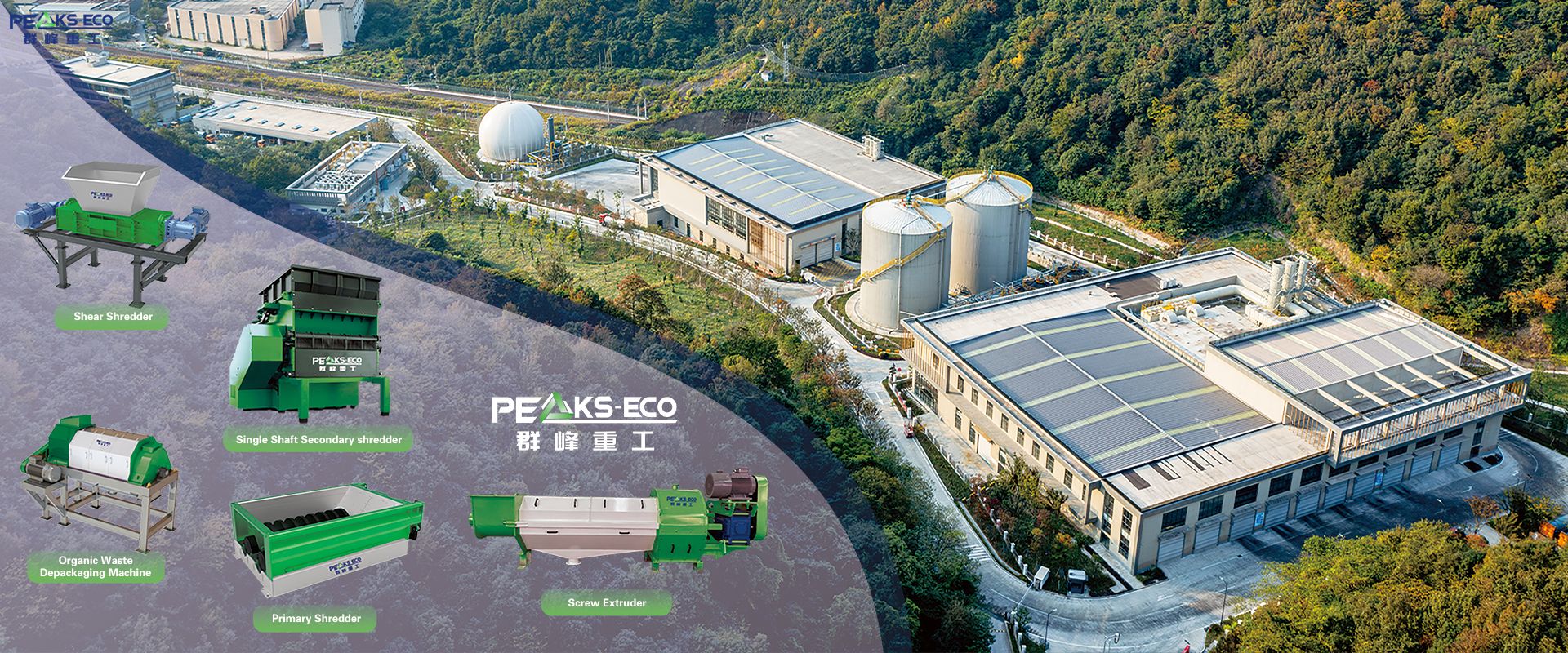
For large vehicle shells, appliance waste, heavy scrap steel, and mixed industrial materials, a primary shredder can reduce oversized feedstock and improve material handling efficiency.
Secondary size reduction may be needed when the material must be further liberated. For example, aluminum, copper, steel, plastic, and rubber components may remain attached after the first shredding stage. Additional reduction can help release these materials and improve the performance of separation equipment.
The shredding configuration should be selected according to material thickness, toughness, size, and desired output particle size.
After shredding, the value of the recycling line depends heavily on the quality of material separation.
Magnetic separators are commonly used to remove ferrous metals such as iron and steel from the processed material stream. This recovered fraction can then be sent to steel mills, foundries, or downstream metal processors.
For aluminum, copper, zinc, and other non-ferrous metals, eddy current separation is often used. This technology helps separate valuable non-ferrous fractions from mixed shredded waste.
For recycling operators, the goal is not only to recover more metal, but also to achieve a cleaner output that can be sold more easily into recycling markets.
Mixed scrap often contains non-metallic materials such as plastics, foam, textiles, paper, dust, insulation, and residual fluff.
Air separation can help remove these lighter materials from heavier metal fractions. This improves the purity of recovered metals and reduces contamination in final products.
For end-of-life vehicle recycling, appliance recycling, and mixed industrial waste processing, air separation is often an important part of the overall system because these waste streams usually contain significant non-metal components.
A properly configured system can reduce manual sorting requirements while improving the consistency of output materials.
Processing capacity should not be selected only by the maximum tonnage shown in a quotation.
A realistic capacity calculation should consider:
Material type and bulk density
Feed size
Metal content
Contamination level
Required output purity
Number of shredding stages
Number of working hours per day
Planned maintenance time
Operator availability
Future business expansion
For example, a line processing clean aluminum scrap may achieve a different throughput from a line processing bulky vehicle shells or mixed metal waste with plastics and foam.
It is better to select a system based on actual operating conditions rather than ideal material assumptions.
A Scrap Metal Recycling Machine should be designed around the final products you want to sell.
Typical recovered outputs may include:
Ferrous metal fractions
Aluminum fractions
Copper-containing fractions
Mixed non-ferrous metals
Heavy metal fractions
Light residual materials
Fine metal particles
The required output purity depends on the downstream market. Some customers may sell mixed fractions to further processors, while others may need cleaner materials for direct supply to smelters, foundries, or metal refining facilities.
By defining the target output early, operators can select the right combination of shredding, screening, magnetic separation, eddy current separation, air classification, and fine recovery equipment.
A metal recycling line should fit the available site space and operating workflow.
Important layout considerations include:
Material receiving area
Feeding equipment
Shredder location
Conveyor routing
Separation equipment layout
Dust collection system
Output storage area
Maintenance access
Control room location
Future expansion space
Automation level should also be considered. Some projects may require simple manual operation, while larger recycling centers may need automated feeding, conveyor control, material monitoring, and centralized plant management.
The right level of automation depends on labor cost, required capacity, material consistency, and long-term operating strategy.
A Scrap Metal Recycling Machine should not be selected as a standard product without understanding the material and project requirements.
The most effective system is one that matches the feedstock, processing target, output value, available site, and expected production volume.
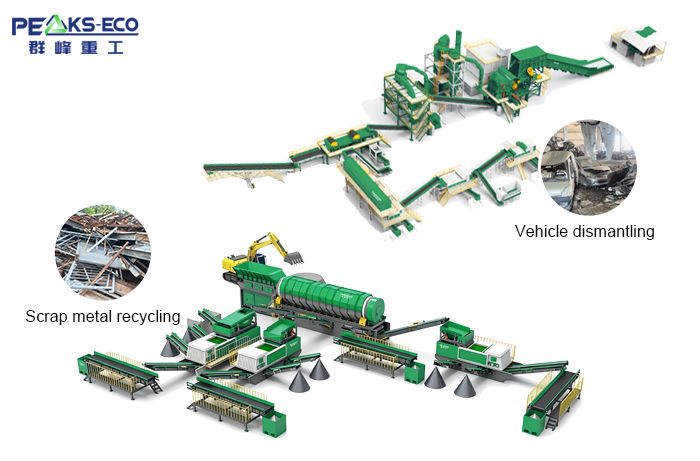
For projects involving end-of-life vehicles, scrap aluminum, scrap steel, mixed metal waste, appliance scrap, or industrial manufacturing waste, an integrated recycling line can combine shredding and separation technologies to improve metal recovery and reduce material loss.
PEAKS-ECO provides integrated scrap metal recycling solutions for end-of-life vehicles, scrap aluminum, scrap steel, mixed ferrous and non-ferrous metals, white goods, and industrial manufacturing scrap. Its systems can include material feeding, shredding, magnetic separation, eddy current separation, air separation, and fine material recovery based on project needs.