



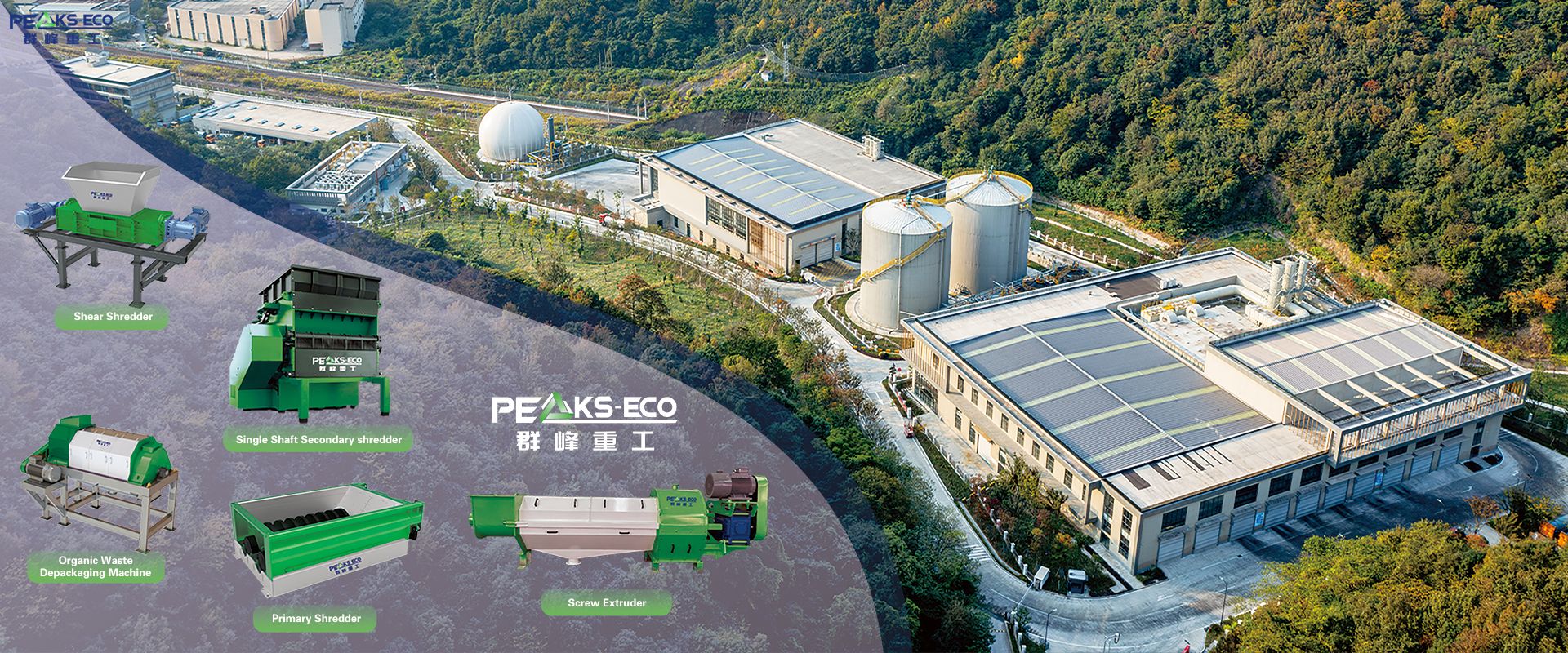
As urbanization and infrastructure development continue to accelerate, the volume of construction and demolition waste is increasing worldwide. Concrete, bricks, asphalt, metals, plastics, and other materials generated during construction and demolition can place significant pressure on landfills when they are not properly managed. A modern Construction Waste Recycling Plant provides an effective solution by processing mixed construction waste and converting it into reusable resources.
A well-designed construction waste recycling system integrates crushing, screening, sorting, metal separation, conveying, and other treatment technologies. This allows valuable materials to be recovered efficiently while reducing the amount of waste sent to landfill. PEAKS-ECO's construction waste treatment system is designed to process construction debris into recycled concrete aggregates, raw materials for new wall materials, road-base filling materials, and sand and stone aggregates for infrastructure projects.
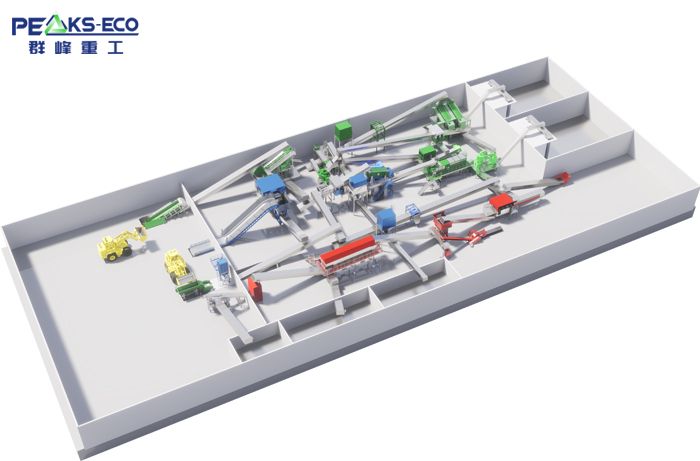
A Construction Waste Recycling Plant is an integrated processing facility used to recover useful materials from construction and demolition waste. Instead of treating waste simply as material for disposal, the plant separates and processes different components so that they can be reused or recycled.
Typical construction waste may include:
Concrete and reinforced concrete
Bricks and masonry
Asphalt
Wood
Ferrous and non-ferrous metals
Plastics
Glass
Mixed demolition debris
The treatment process is usually customized according to the composition, moisture content, particle size, and final product requirements of the incoming waste.
The exact process varies according to the project, but a typical recycling line can include several key stages.
Construction waste is first delivered to the feeding system. Large and unsuitable materials can be removed or separated before entering the main processing line. Controlled feeding helps maintain stable material flow and protects downstream equipment.
Large concrete blocks, bricks, and other bulky materials are reduced in size using crushers or shredders. Primary crushing handles oversized material, while secondary processing can further reduce particle size according to the required recycled aggregate specification.
Size reduction is an important step because it improves the efficiency of subsequent screening and separation processes.
After crushing, screening equipment separates materials according to particle size. Trommel screens, vibrating screens, disc screens, star screens, and grizzly screens can be used for different applications.
Screening allows the plant to produce different size fractions while preparing materials for further sorting and processing.
Lightweight materials such as plastic film, paper, and other low-density contaminants can be separated from heavier construction materials through air classification or wind separation.
Depending on the waste characteristics, air separators, wind sifters, zig-zag air separators, and float-sink systems can be incorporated into the recycling process.
Metal recovery is another important part of construction waste recycling. Magnetic separators can remove ferrous metals such as iron and steel, while eddy current separators can recover non-ferrous metals such as aluminum and copper.
Recovering metals not only improves the purity of recycled aggregates but also creates an additional source of recyclable material.
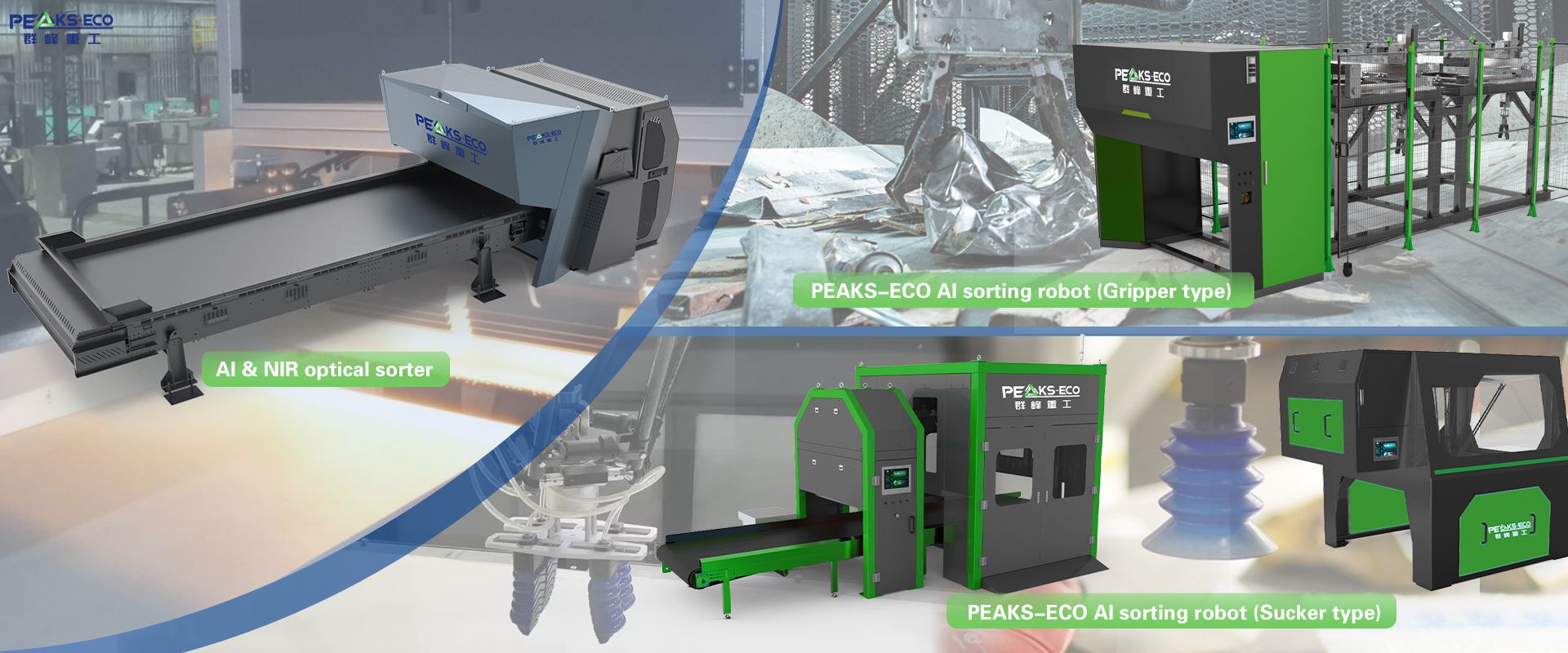
For projects requiring higher levels of material purity, optical and sensor-based sorting technologies can be added. Near-infrared (NIR), visual, laser, and other sensor technologies can help identify and separate specific materials.
Manual sorting stations may also be used as a complementary step when certain contaminants require human inspection.
A complete recycling plant can combine multiple types of equipment according to the project's requirements. Common equipment includes:
Crushing and shredding equipment: Used to reduce the size of concrete, bricks, asphalt, and mixed debris.
Screening equipment: Separates materials into different particle-size fractions.
Magnetic separators: Recover ferrous metals from the waste stream.
Eddy current separators: Recover non-ferrous metals such as aluminum and copper.
Air separators: Separate lightweight materials from heavier fractions.
Conveyors and feeders: Provide continuous and controlled material transportation throughout the plant.
Optical sorting equipment: Provides advanced material identification and separation when high-quality recovery is required.
The combination of these technologies enables a recycling plant to be configured for different waste compositions and production targets.
Recycling construction waste reduces the quantity of debris that needs to be transported to and deposited in landfills. This can extend landfill capacity and reduce the environmental burden associated with waste disposal.
Recovered concrete, bricks, and other mineral materials can be processed into recycled aggregates. Depending on local standards and application requirements, these materials may be used for road bases, construction filling, concrete-related applications, and other infrastructure projects.
Local recycling can reduce the need to transport construction waste over long distances. At the same time, recycled materials can often be supplied closer to the point of use. PEAKS-ECO specifically highlights local reuse as a way to reduce transportation costs and avoid secondary pollution.
Construction waste can contain significant quantities of steel, iron, aluminum, and other metals. Separating these materials creates additional recycling value while improving the quality of the remaining aggregate.
A construction waste recycling plant changes the traditional "take, use, and dispose" model into a more circular approach. Materials recovered from old buildings, roads, and infrastructure can become resources for new construction projects.
Construction waste recycling plants can be designed as fixed or mobile systems.
A fixed recycling plant is suitable for large-scale and long-term projects where a stable waste stream is available. It can provide a high degree of process integration and can be configured for specific recycled product requirements.
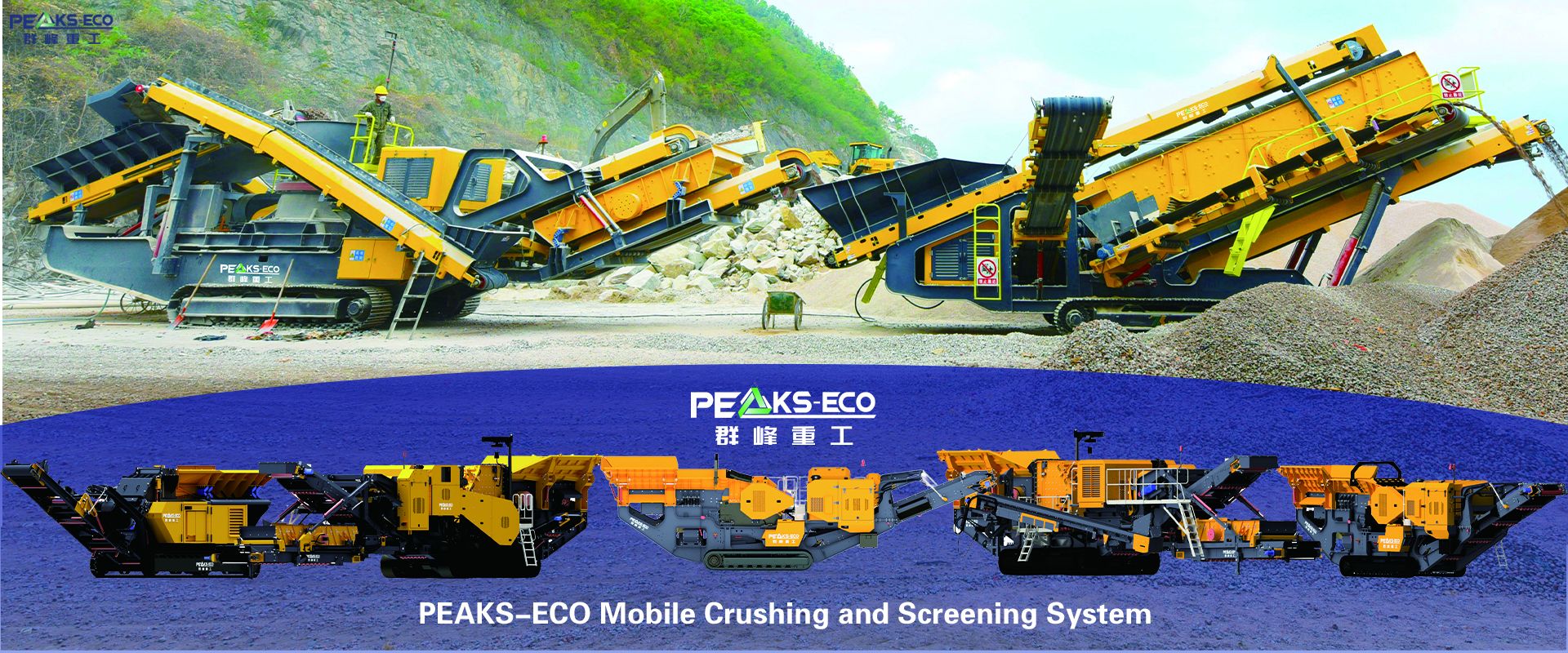
A mobile recycling solution is particularly useful for demolition projects, urban redevelopment, and locations where construction waste is generated at different sites. Materials can be processed closer to the source, potentially reducing transportation requirements.
The appropriate solution depends on factors such as project duration, waste volume, site conditions, required output quality, and available space.
A Construction Waste Recycling Plant is more than a waste treatment facility. It is a resource recovery system that combines heavy-duty crushing, screening, separation, and material handling technologies to transform construction debris into useful products.
With appropriate process design, construction waste can be converted into recycled aggregates, road-base materials, wall-material raw materials, recovered metals, and other valuable resources. PEAKS-ECO describes its system as a modular solution that can be adapted to urban demolition sites and larger industrial redevelopment projects, with dust and noise control measures incorporated into the overall design.
As the construction industry moves toward greater resource efficiency and lower environmental impact, construction waste recycling will play an increasingly important role. Investing in an efficient recycling plant can help contractors, waste management companies, developers, and municipalities reduce disposal costs, recover valuable materials, and build a more sustainable construction industry.
For more information about construction waste treatment and recycling solutions, visit PEAKS-ECO's Construction Waste Treatment System.