





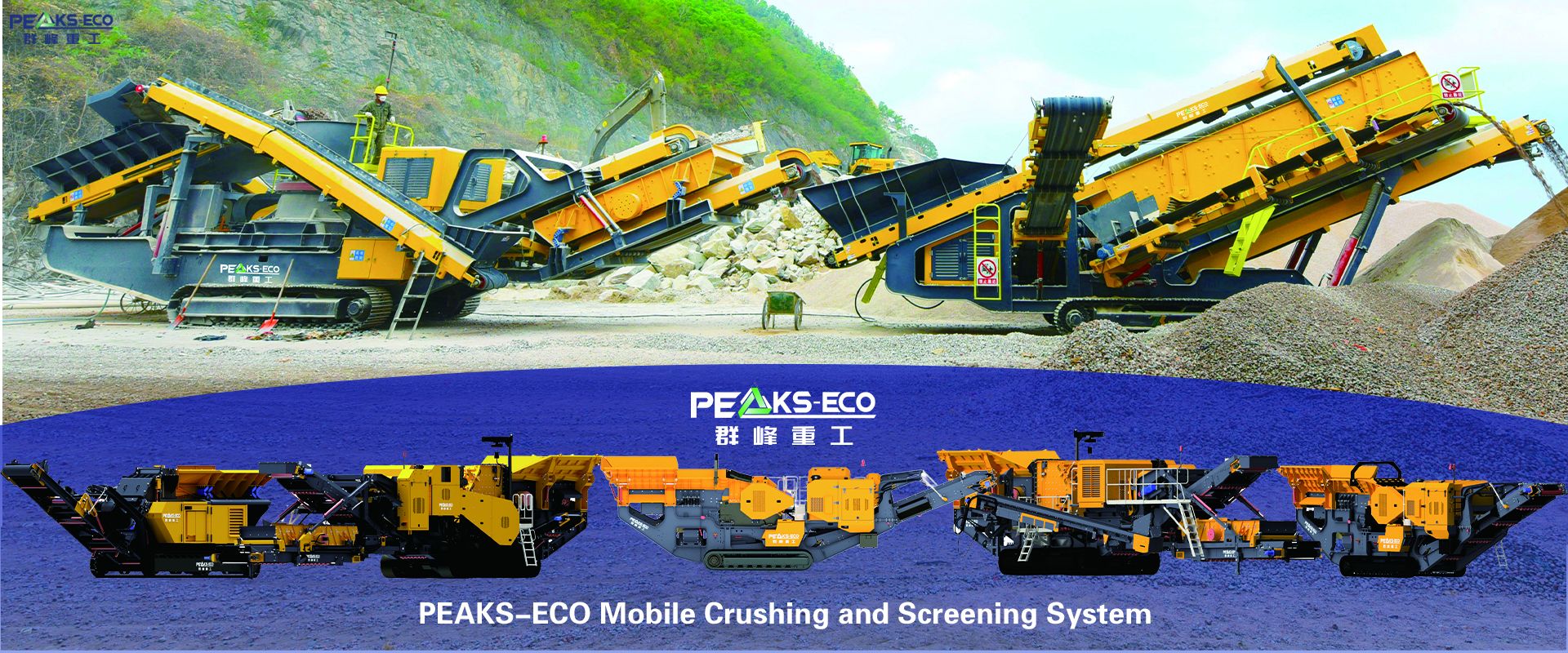
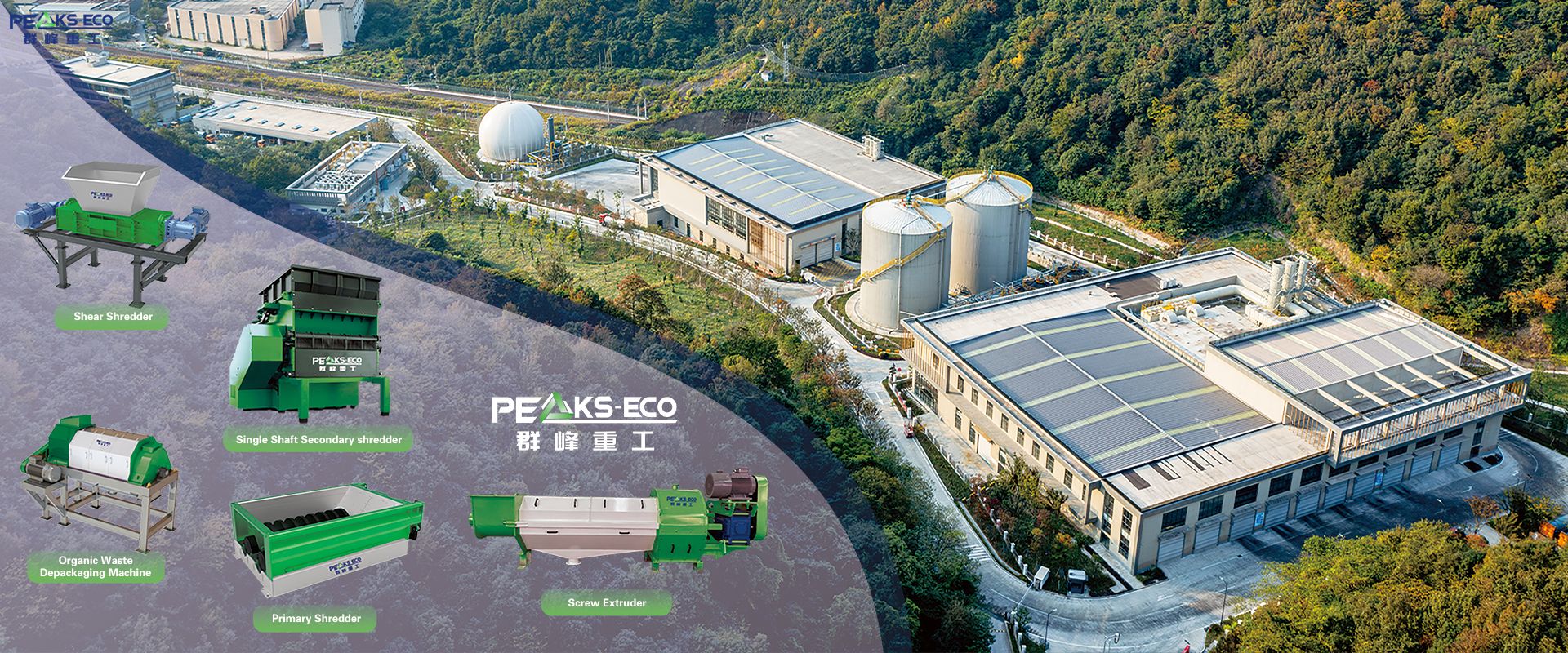
Construction waste recycling plant is not simply a crusher with a conveyor. Construction and demolition waste usually contains concrete, bricks, stones, asphalt, steel, wood, plastic, glass, soil, and other materials with very different physical properties. To process this mixed material efficiently, a recycling plant needs a combination of size-reduction, screening, sorting, separation, conveying, and environmental-control equipment.
The right equipment configuration depends on the composition of the construction waste, required processing capacity, desired output, and final product specifications.
So, what equipment is needed for a Construction Waste Recycling Plant? This article introduces the key equipment used in a complete construction waste treatment system and explains how each machine contributes to the overall process.
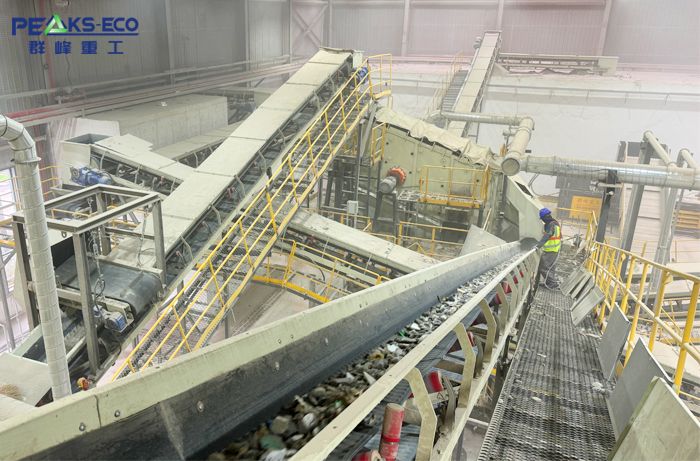
The feeding system is the first stage of a construction waste recycling line.
Construction waste is typically delivered to the plant by trucks, loaders, or other transportation equipment. A feeder or receiving hopper controls the flow of material into the processing line.
A suitable feeding system should be able to handle irregular and bulky materials while maintaining a stable material flow.
Depending on the project, feeding equipment may include:
Receiving hoppers
Apron feeders
Vibrating feeders
Belt conveyors
Loading systems
Stable feeding is important because fluctuations in material flow can affect the performance of crushers, screens, and sorting equipment further down the line.
Large pieces of concrete, bricks, rubble, and other demolition materials cannot be efficiently sorted in their original form.
Crushing equipment reduces oversized construction waste to a manageable particle size and helps liberate materials that may be attached to one another.
Depending on the characteristics of the feedstock, a recycling plant may use different types of crushers for primary or secondary size reduction.
The selection of crushing equipment depends on factors such as:
Maximum feed size
Material hardness
Required output size
Processing capacity
Material composition
Desired aggregate specifications
For concrete-rich construction waste, crushing is particularly important because the final recycled aggregate must generally meet specific size and quality requirements.
After crushing, the material usually contains particles of different sizes. Screening separates these fractions and determines how they move through the rest of the recycling line.
There is no single screen suitable for every construction waste application. Different screening technologies have different strengths.
A trommel screen uses a rotating cylindrical drum to separate materials according to particle size.
It can be useful for processing mixed construction waste containing soil, fine materials, and larger particles.
A vibrating screen uses vibration to classify material into different size fractions.
It is commonly used when accurate particle-size separation is required and can produce multiple output fractions.
Disc screens use rotating discs to separate materials and can be suitable for bulky and irregular construction waste.
Their design can help handle materials that may be difficult to process with conventional screening equipment.
Star screens use rotating star-shaped shafts to separate material by size.
They can be used for difficult, mixed waste streams and can help separate fine material from larger fractions.
A grizzly screen is generally used for initial separation of oversized material.
It can remove large pieces before the material enters downstream crushing or screening equipment, helping protect subsequent machines from excessive loads.
The choice between trommel, vibrating, disc, star, and grizzly screening should be based on the material characteristics and required output.
Construction and demolition waste often contains steel reinforcement, structural steel, pipes, and other ferrous materials.
Magnetic separation is used to remove these materials from the mineral fraction.
Common magnetic separation equipment includes:
Overband magnetic separators
Drum magnetic separators
Suspended magnets
Magnetic separation can be installed after crushing or at another suitable point in the processing line.
Removing ferrous metals has two purposes. First, it allows the steel to be recovered as a separate recyclable material. Second, it prevents large metal pieces from remaining in the recycled aggregate stream.
For reinforced-concrete demolition waste, effective magnetic separation is especially important because steel reinforcement can be mixed with crushed concrete.
Magnetic separators are effective for ferrous metals, but they cannot recover most non-ferrous metals.
Construction waste may contain aluminum, copper, brass, and other conductive metals. When these materials have sufficient economic value, an eddy current separator can be added to the recycling line.
Eddy current separation uses electromagnetic principles to separate non-ferrous metals from non-metallic materials.
It can be particularly useful when the plant processes mixed demolition waste containing aluminum components or other non-ferrous metal fractions.
The decision to install an eddy current separator depends on the amount and value of non-ferrous metals present in the feedstock.
After crushing and metal separation, the material may still contain lightweight contaminants.
Typical lightweight materials include:
Plastic film
Paper
Wood
Foam
Textiles
Lightweight packaging
Other low-density materials
Air separation equipment uses controlled airflow to separate lightweight materials from heavier mineral fractions.
Depending on the application, the system may include an air classifier, wind sifter, or zig-zag air separator.
This type of separation is particularly useful when the main objective is to produce a cleaner recycled aggregate.
If lightweight materials remain mixed with concrete and stone, they can reduce the quality and potential applications of the final aggregate.
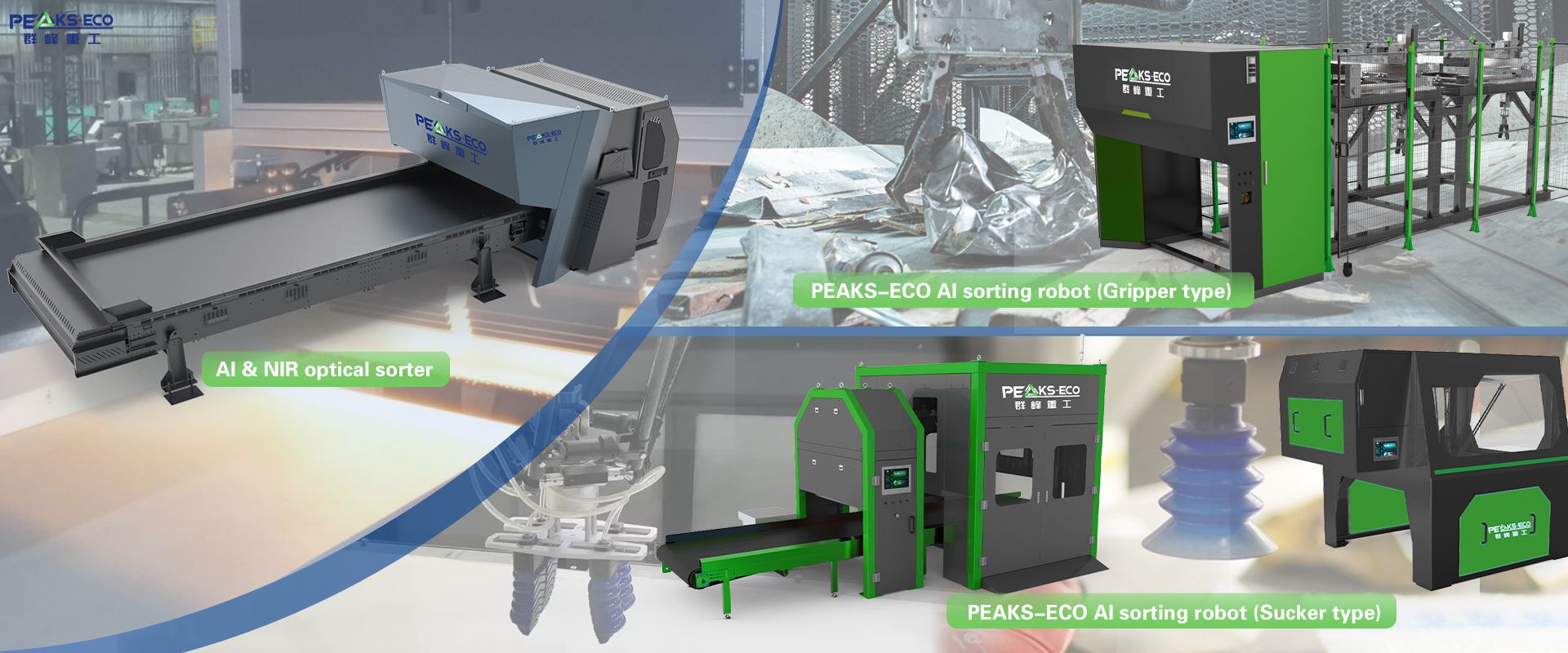
Not every construction waste recycling plant requires optical sorting.
However, when a project has strict material-purity requirements or needs to identify specific materials, sensor-based sorting can provide an additional level of separation.
Depending on the application, a system may incorporate technologies such as:
Optical sorting
Near-infrared sorting
Color sorting
Laser sorting
X-ray transmission sorting
These technologies identify materials based on their optical, spectral, density, or other physical characteristics.
For a relatively simple concrete-and-rubble recycling project, such equipment may not be necessary. For complex mixed waste streams, however, advanced sorting can help improve product quality and material recovery.
Conveyors connect different pieces of equipment throughout the recycling plant.
Although conveyors do not directly separate or process construction waste, their design has a major influence on the reliability of the entire system.
A complete plant may require conveyors for:
Feeding crushed material
Moving material between screens
Transporting separated metals
Carrying lightweight fractions
Delivering finished aggregates
Returning oversized material for additional crushing
Conveyor capacity should match the throughput of the equipment it connects.
Poorly designed material handling can create bottlenecks even when the individual crushers and separators have sufficient capacity.
Crushing and screening construction waste can generate dust, particularly when processing dry concrete, bricks, and fine mineral materials.
Dust-control measures should therefore be considered during plant design.
Depending on the site and applicable environmental requirements, solutions may include:
Dust collection systems
Enclosed transfer points
Water-spray systems
Sealed processing areas
Dust extraction equipment
PEAKS-ECO's construction waste treatment solution incorporates dust and environmental-control considerations into the overall system design.
Environmental equipment should be selected according to the plant's location, material characteristics, local regulations, and operating conditions.
A modern recycling plant may contain numerous machines operating simultaneously.
An automated control system can coordinate feeders, crushers, screens, conveyors, and separation equipment.
A centralized control system can help operators:
Start and stop equipment
Monitor operating conditions
Control material flow
Detect equipment problems
Adjust processing parameters
Manage different operating stages
For large-scale recycling facilities, automation can make plant operation more consistent and reduce the amount of manual intervention required.
The most important point is that equipment should not be selected independently.
A Construction Waste Recycling Plant is a complete processing system, and each machine needs to work effectively with the next stage.
A basic construction waste recycling line may follow a configuration such as:
Feeding → Primary Crushing → Screening → Magnetic Separation → Secondary Processing → Final Screening
A more advanced mixed construction waste system may use:
Feeding → Pre-Sorting → Crushing → Screening → Magnetic Separation → Air Separation → Eddy Current Separation → Fine Screening → Product Collection
The actual configuration should be determined by the incoming waste and the required products.
If the feedstock consists mainly of waste concrete and rubble, the plant can focus on producing clean recycled aggregate.
A typical configuration may include:
Feeding system
Primary crusher
Secondary crusher
Vibrating or other suitable screen
Magnetic separator
Conveyors
Dust-control system
If the concrete contains significant quantities of steel reinforcement, effective magnetic separation becomes particularly important.
If the final product requires very specific aggregate sizes, additional screening or crushing stages may be incorporated.
Mixed construction waste is more complicated because it contains both heavy mineral materials and lightweight contaminants.
A more comprehensive system may therefore require:
Feeding equipment
Pre-sorting
Crushing
Screening
Magnetic separation
Air separation
Eddy current separation
Additional sorting
Fine screening
Conveyors
Dust-control equipment
The more complex the waste stream, the more important it becomes to design the processing sequence around the physical characteristics of each material.
Demolition waste often contains large and irregular materials.
Concrete blocks, bricks, steel, wood, plastics, and other materials may arrive mixed together.
For this type of feedstock, the recycling system may place greater emphasis on:
Oversized-material handling → Primary crushing → Screening → Metal recovery → Lightweight-material separation → Aggregate production
A grizzly screen or other pre-screening equipment may be useful for removing very large materials before the main crushing stage.
Pre-sorting can also help remove materials that should not enter the mechanical processing system.
Screen selection is one of the most important decisions in a construction waste recycling plant.
The choice should consider:
Material size: Large and irregular waste may require robust screening equipment.
Moisture: Wet and sticky materials can behave differently from dry construction waste.
Fines content: A high percentage of fine material may influence the choice of screen.
Required products: The number and size of finished products determine the screening configuration.
Processing capacity: Screen size and design must match the required throughput.
For this reason, a trommel screen, vibrating screen, disc screen, star screen, and grizzly screen should not be treated as interchangeable machines. Each has a different role within a recycling system.
No.
The right recycling plant is not necessarily the one with the most equipment.
Adding unnecessary sorting machines can increase capital investment, maintenance requirements, energy consumption, and system complexity.
The better approach is to identify the actual material-recovery objectives first.
For example:
Concrete and rubble recycling: Crushing + screening + magnetic separation may be sufficient.
Mixed demolition waste: Crushing + screening + metal separation + air separation may be appropriate.
High-purity mixed material recovery: Additional sensor-based sorting may be considered.
High non-ferrous metal content: Eddy current separation may add value.
Equipment should therefore be selected according to the actual business and production requirements of the project.
Before investing in a Construction Waste Recycling Plant, operators should evaluate several factors.
Understand exactly what materials will enter the plant and in what proportions.
Determine the required hourly and daily processing capacity.
Define whether the goal is recycled aggregate, road-base material, filling material, recovered metals, or multiple products.
Determine the required particle size, cleanliness, and purity of each final product.
Available space, access, power supply, and environmental conditions can all affect plant layout.
If waste volumes are expected to increase, the plant can be designed with future expansion in mind.
Energy consumption, wear parts, labor, maintenance, and environmental-control requirements should be considered alongside the initial equipment cost.
Construction waste is highly variable.
A standard configuration may work well for one project but perform poorly for another if the feedstock composition is significantly different.
A customized plant can be designed around the actual material characteristics and production targets.
For example, one project may need a high-capacity crushing and screening system for concrete rubble, while another may require additional air and metal separation because of a high proportion of mixed demolition materials.
PEAKS-ECO provides construction waste treatment solutions that can be configured according to different waste characteristics, processing capacities, site conditions, and product requirements.
A Construction Waste Recycling Plant requires more than a crusher. A complete system may combine feeding equipment, crushers, screening machines, magnetic separators, eddy current separators, air classifiers, optical sorting equipment, conveyors, dust-control systems, and automated controls.
However, not every project needs every type of equipment.
The most effective plant is one in which each machine has a clear purpose and the complete processing line is designed around the characteristics of the incoming construction waste and the specifications of the final products.
For concrete-rich waste, crushing, screening, and ferrous-metal recovery may form the core of the system. For mixed demolition waste, additional air separation and non-ferrous metal recovery may be required. For projects with demanding purity requirements, advanced sensor-based sorting can be incorporated.
Ultimately, the right equipment configuration is determined by what goes into the plant, what needs to come out, and how efficiently the two can be connected.
A carefully engineered Construction Waste Recycling Plant can provide a reliable solution for processing concrete, bricks, rubble, asphalt, metals, and mixed demolition waste while adapting to the specific requirements of different recycling projects.