



Construction and demolition (C&D) activities generate enormous quantities of waste every year. Concrete, bricks, rubble, wood, metals, plastics, asphalt, and other materials are often mixed together during construction, renovation, and demolition projects. If this waste is simply transported to landfills, valuable resources are lost while disposal costs and environmental pressures continue to increase.
A modern Construction and Demolition Waste Treatment System provides a more sustainable solution by separating, processing, and recovering useful materials from mixed C&D waste. Through a combination of screening, crushing, sorting, and material separation technologies, waste can be transformed into recycled aggregates, recovered metals, and other reusable resources.
Construction and demolition waste refers to materials generated during the construction, renovation, maintenance, and demolition of buildings and infrastructure.
Typical C&D waste streams may include:
Concrete and reinforced concrete
Bricks and masonry
Stones and rubble
Asphalt
Ferrous and non-ferrous metals
Wood
Plastics
Soil and other inert materials
Unlike conventional municipal solid waste, C&D waste generally contains a large proportion of heavy and inert materials. At the same time, different materials may be tightly mixed together, making efficient separation and recycling more challenging.
Traditional disposal methods consume valuable landfill space and can create additional transportation and environmental costs. Recycling provides an alternative by recovering materials that can be returned to the construction supply chain.
For example, concrete, bricks, asphalt, and masonry can be processed into recycled aggregates and road base materials. Metals can also be recovered and sent for further processing.
This creates several important benefits:
By separating recyclable and reusable materials from mixed C&D waste, a treatment system can significantly reduce the amount of material requiring final disposal.
Metals, aggregates, wood, and other materials can be recovered instead of being discarded. This helps improve the overall resource efficiency of construction projects.
Processed concrete, bricks, asphalt, and masonry can be converted into materials suitable for applications such as gravel, roadbed, filling, and other civil engineering uses, depending on local standards and product specifications.
Using recycled aggregates can reduce the demand for newly quarried materials and support a more circular construction industry.
Instead of following a linear model of "use and dispose," C&D waste recycling creates a material recovery loop in which waste becomes a source of secondary raw materials.
The exact process configuration depends on the composition of the incoming waste, required capacity, site conditions, and the quality requirements of the final products.
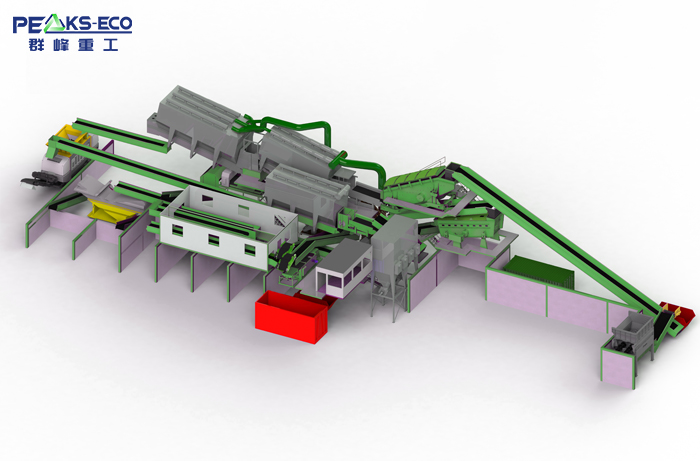
A typical treatment process can include several stages.
Mixed construction and demolition waste is delivered to the treatment facility and fed into the processing line.
Large and irregular materials may require appropriate feeding and size-reduction equipment before further processing.
Large concrete blocks, bricks, rubble, and other bulky materials are reduced in size to make subsequent screening and separation more efficient.
Depending on the waste characteristics, crushers or shredders can be selected as part of the system.
Screening separates materials according to particle size.
This stage helps divide fine materials from larger fractions and creates more consistent material streams for downstream processing.
C&D waste frequently contains both ferrous and non-ferrous metals.
Magnetic separation can be used to recover ferrous metals, while additional separation technologies can be incorporated when non-ferrous metal recovery is required.
Recovered metals can then be transported to specialized companies for further sorting and processing.
Concrete, bricks, stones, and other inert materials can be separated from unwanted contaminants.
After appropriate processing, these mineral fractions can be used as secondary construction materials.
Depending on the customer's requirements, recovered mineral materials can undergo additional crushing and screening to achieve the required particle size and specifications.
Potential applications include recycled gravel, road base materials, filling materials, and other civil engineering applications.
A well-designed C&D waste treatment system can recover several material streams.
| Material | Typical Treatment | Potential Application |
|---|---|---|
| Concrete | Crushing & screening | Recycled aggregate, road base |
| Bricks & masonry | Crushing & screening | Aggregate and filling materials |
| Asphalt | Crushing & separation | Recycled asphalt-related applications |
| Ferrous metals | Magnetic separation | Metal recycling |
| Non-ferrous metals | Advanced separation | Metal recycling |
| Wood | Sorting & processing | Reuse or further processing |
| Plastics | Sorting | Recycling or further treatment |
The actual recovery rate and final applications depend on the composition of the incoming waste and the design of the treatment plant.
One of the most important considerations when designing a construction and demolition waste recycling plant is that no two waste streams are exactly the same.
A demolition project may contain a high percentage of concrete and steel, while a renovation project may contain more wood, plastics, and mixed materials.
Therefore, the treatment system should be configured according to the actual characteristics of the waste.
For relatively clean concrete and masonry waste, a crushing and screening line may be sufficient. For highly mixed demolition waste, additional sorting and separation equipment may be required.
A customized system can combine different technologies to achieve the desired processing capacity and product quality.
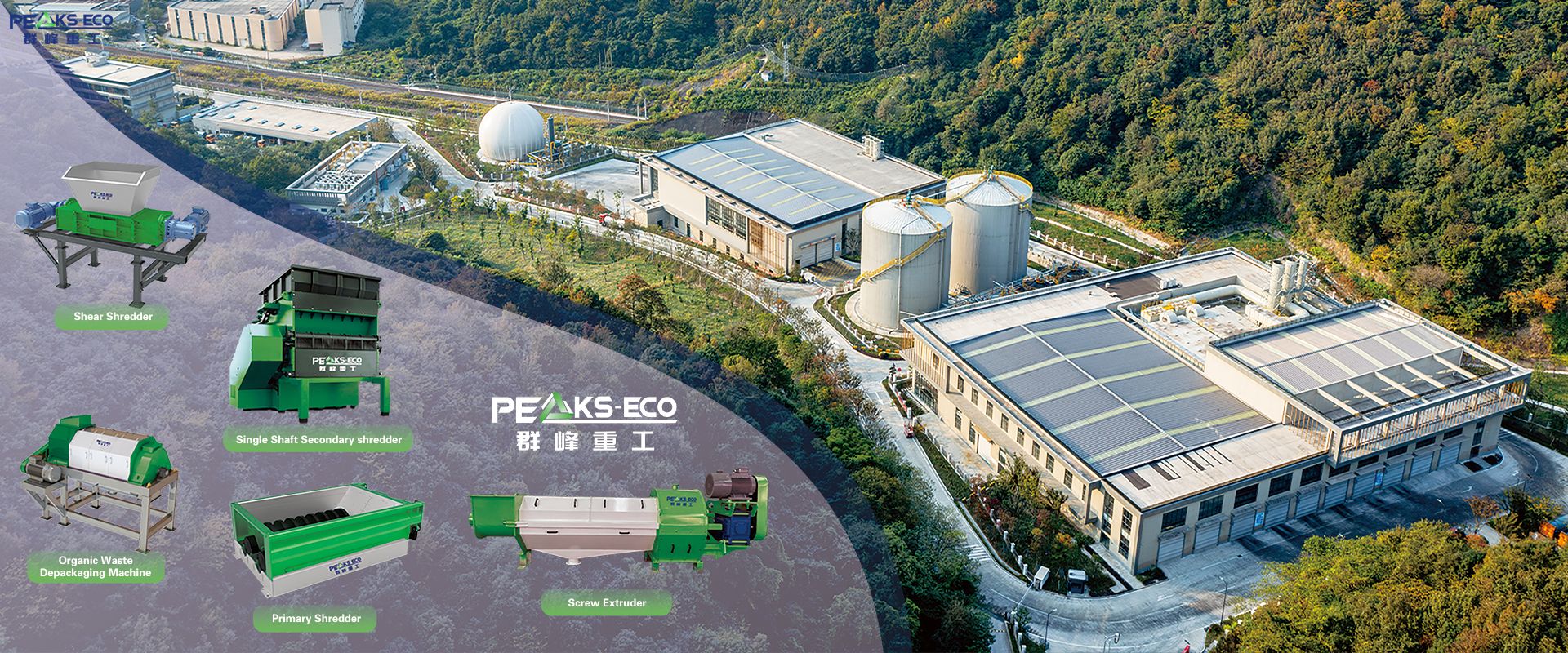
PEAKS-ECO provides comprehensive waste treatment solutions covering construction waste, demolition waste, industrial waste, municipal waste, and other solid waste streams.
Its construction and demolition waste treatment solution is designed to process mixed materials such as wood, concrete, bricks, rubble, metals, and plastics. After sorting, recyclable metals can be recovered, while inert materials such as concrete and bricks can be processed for reuse in the civil construction sector.
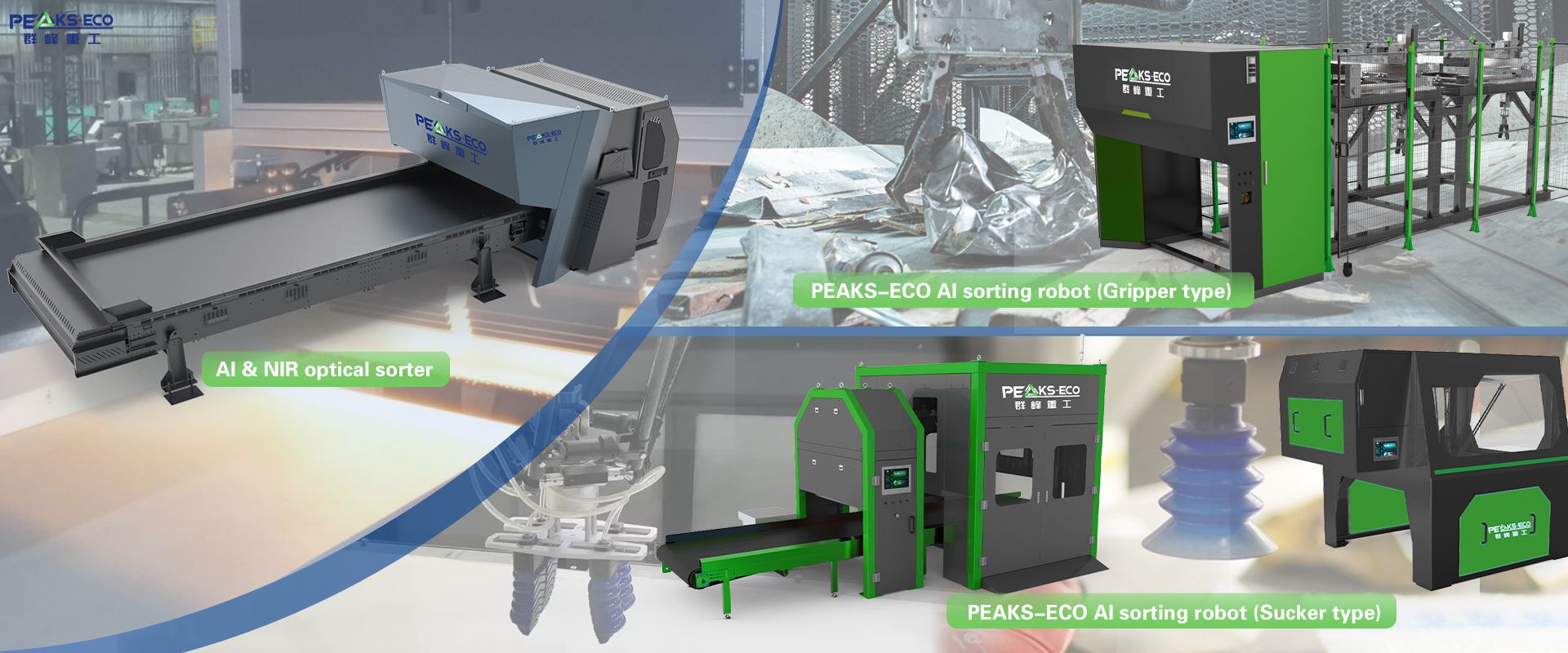
PEAKS-ECO also provides broader construction waste recycling solutions incorporating equipment such as crushers, screening machines, magnetic separators, air separation systems, conveyors, dust-control equipment, and automated control systems, depending on project requirements.
With experience in the design, construction, equipment manufacturing, and technological development of waste treatment projects, PEAKS-ECO focuses on developing integrated solutions rather than supplying individual machines alone.
Construction and demolition waste treatment systems can be applied to a wide range of projects, including:
Building demolition projects
Building renovation projects
Infrastructure construction
Road and highway projects
Urban redevelopment
Concrete recycling facilities
Construction waste recycling centers
Municipal resource recovery facilities
Large-scale demolition and reconstruction projects
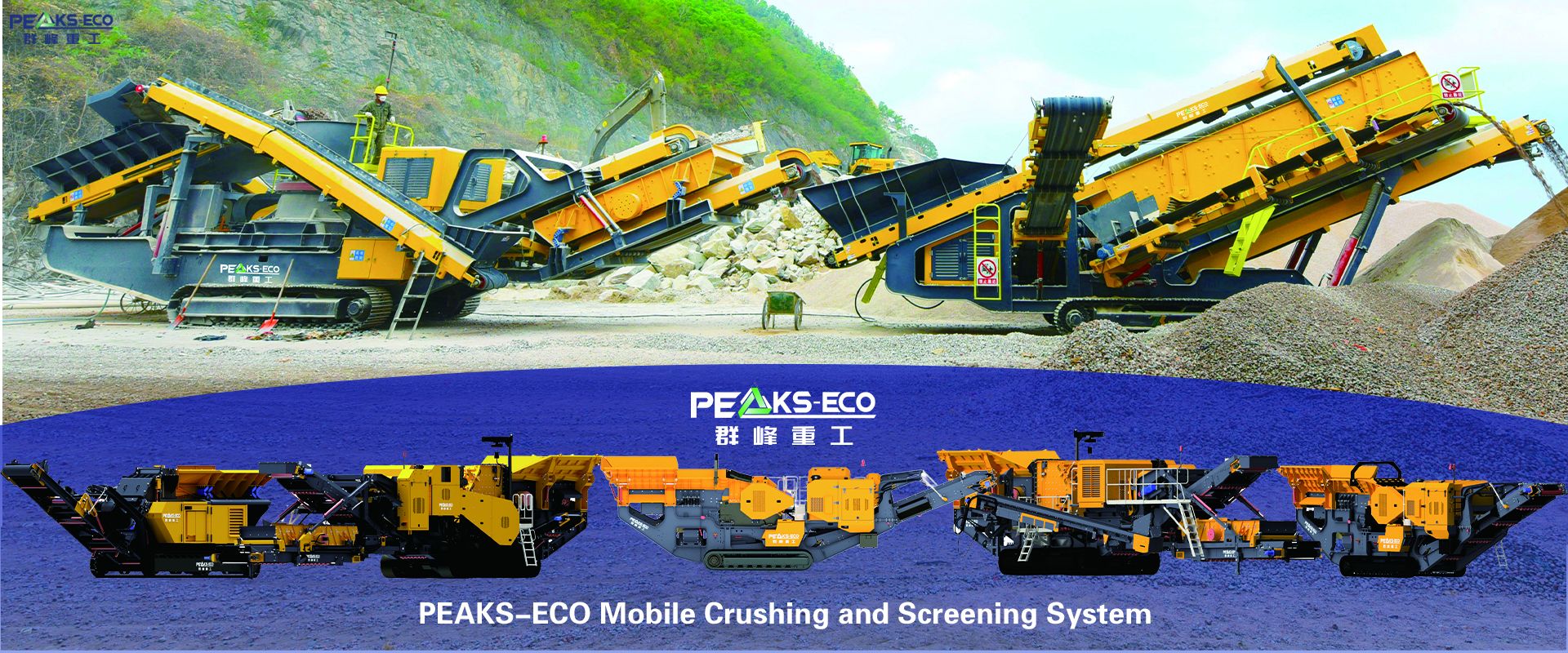
Mobile crushing and screening equipment can also be considered when waste needs to be processed closer to the demolition or construction site, helping reduce unnecessary transportation of bulky materials.
Before investing in a recycling plant, several factors should be evaluated:
Waste composition: What percentage of the feedstock consists of concrete, bricks, metals, wood, plastics, asphalt, and other materials?
Processing capacity: How many tons per hour or tons per day need to be processed?
Final products: Are the target products recycled aggregates, road base materials, recovered metals, or other resources?
Required product quality: Different end uses may require different particle sizes and purity levels.
Site conditions: Available space, local environmental regulations, power supply, and transportation conditions can all influence system design.
Automation level: Larger facilities may benefit from centralized control and automated monitoring to improve operational consistency.
A properly engineered plant should therefore be designed around the relationship between the incoming waste and the required final products rather than based on a standard equipment list alone.
Construction and demolition waste should not simply be viewed as material for disposal. A significant portion of C&D waste can be recovered, processed, and returned to productive use.
A modern Construction and Demolition Waste Treatment System combines size reduction, screening, sorting, metal recovery, and material processing technologies to transform mixed demolition waste into useful secondary resources.
By recovering concrete, bricks, asphalt, metals, and other materials, recycling facilities can reduce landfill disposal, conserve natural resources, and support the development of a circular construction industry.
For projects dealing with large volumes of mixed construction and demolition waste, a customized treatment system can provide a practical pathway from waste disposal to resource recovery.
PEAKS-ECO develops integrated waste treatment and recycling solutions designed around different waste compositions, processing capacities, site conditions, and final product requirements, helping customers build more efficient and sustainable C&D waste recycling operations.