



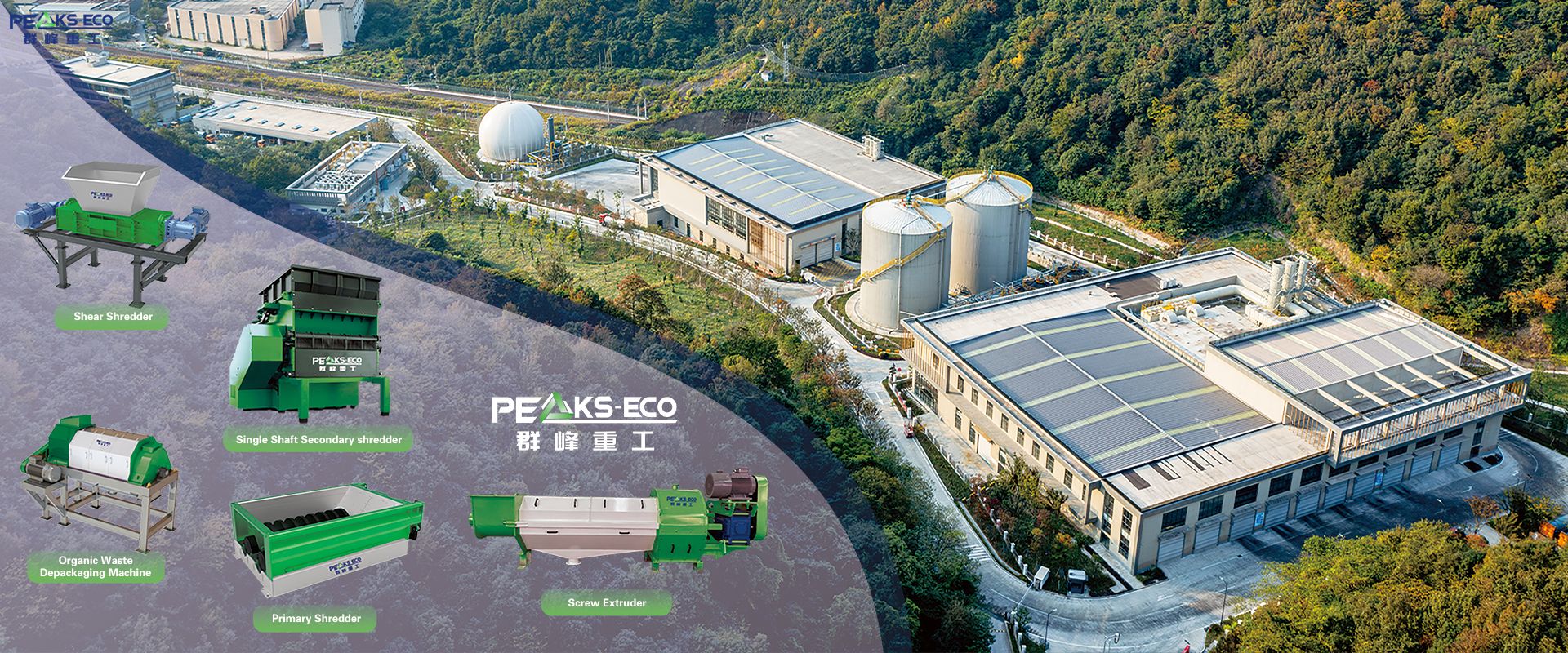
In the field of urban solid waste management, mixed household waste is complex in composition and often economically inefficient to sort. For a long time, it has mainly relied on landfilling or incineration, resulting in a huge waste of resources. To address this challenge, PEAKS-ECO leverages AI and multimodal sensing technologies as its core, promoting the transformation and upgrading of waste treatment toward “reduction, harmlessness, and resource utilization.”。
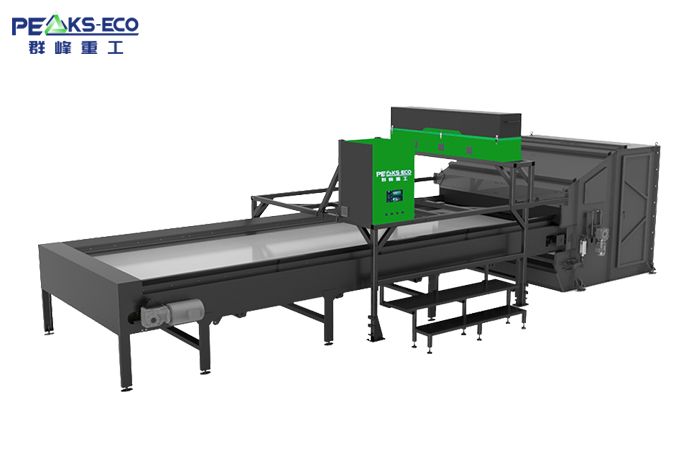
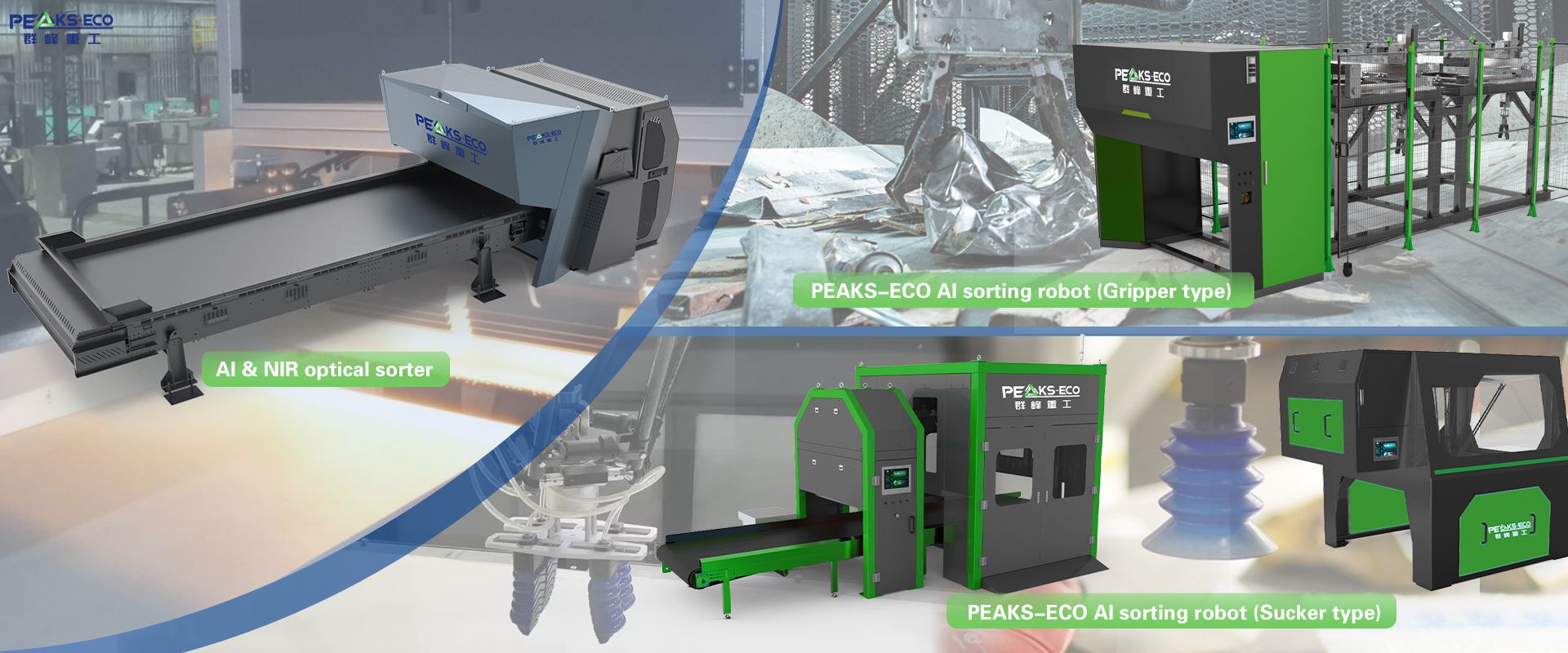
Its core product—the ultra-high-speed spectral material sorter—integrates AI vision with high-precision spectral recognition. It can accurately identify over 260 types of materials while operating at high speed, efficiently separating high-value and low-value recyclables from mixed waste, allowing them to re-enter the resource cycle. This system has been successfully applied in multiple scenarios, including household waste, recycled plastics, and construction and renovation debris, providing solid technological support for end-of-line resource recovery.
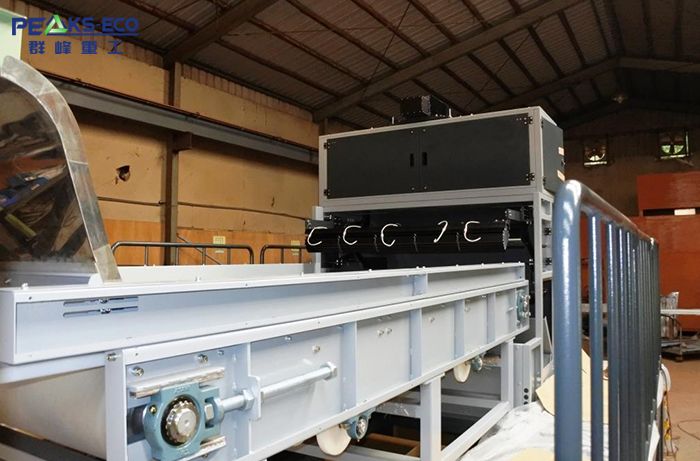
It is worth noting that AI sorting does not replace residents’ front-end waste separation. Instead, it provides intelligent “supplementary sorting” at the end of the chain, recovering resources that were missed and enhancing efficiency across the entire process. This approach not only significantly reduces landfill volumes and optimizes incineration efficiency but also delivers high-quality raw materials to the recycled materials industry, establishing itself as a key technological foundation supporting China’s circular economy.
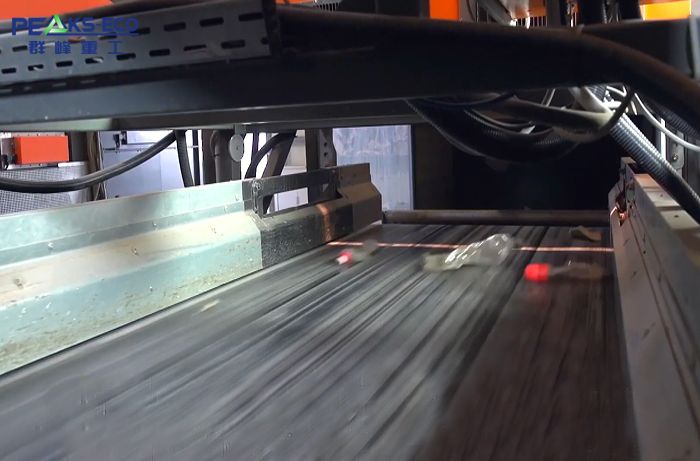
PEAKS-ECO’s technological breakthroughs and public recognition stem from its long-term, hands-on R&D efforts and engineering practice at the frontline. As the company advocates, “In the PEAKS-ECO ecosystem, everything can be recycled.” The value of technology lies not in creating hype, but in genuinely building cleaner urban environments and a more sustainable resource future.